Australia - The complete travel guide
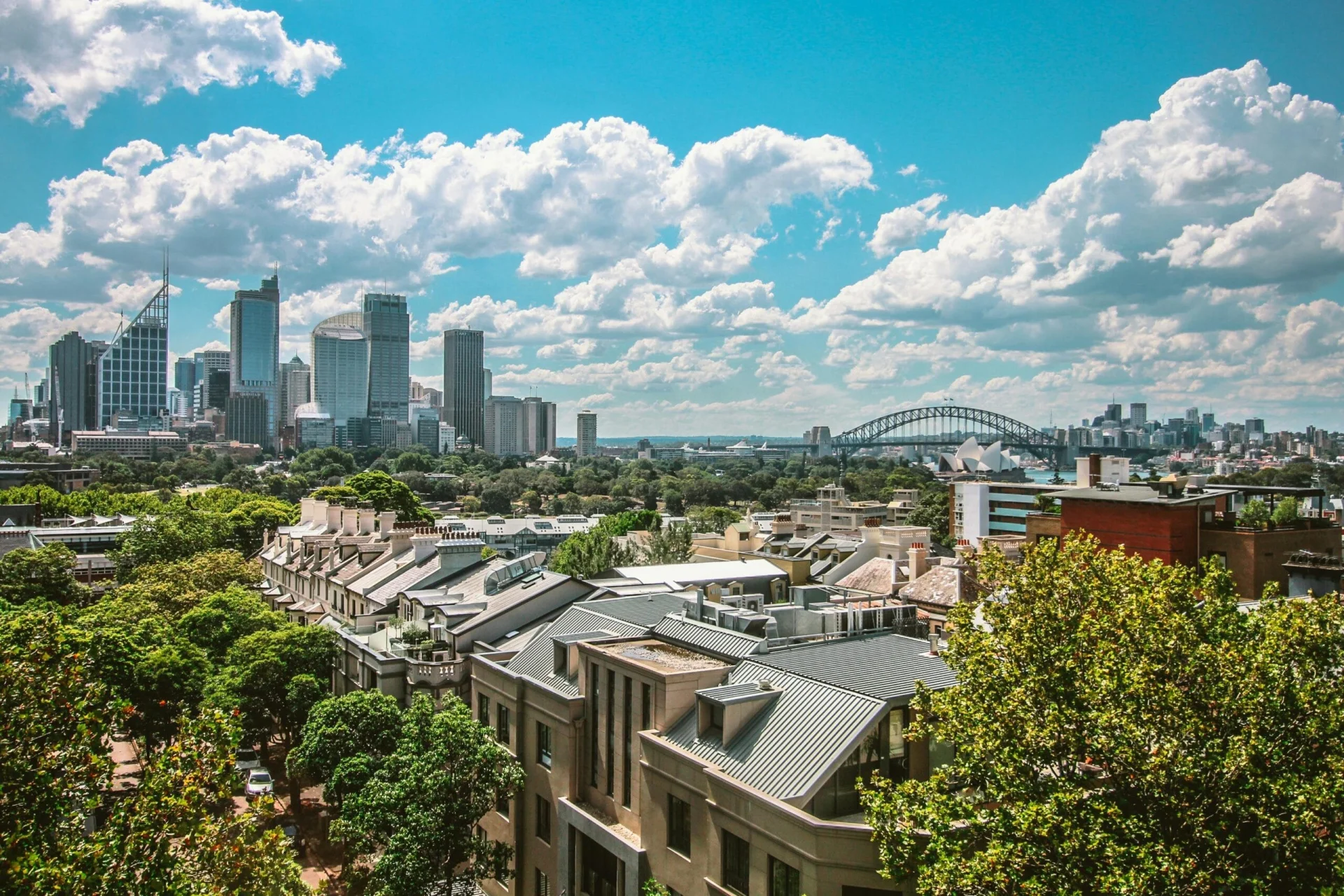
Australia has one of the longest human histories on Earth. The original inhabitants of Australia, also called Aborigines, inhabited the continent 40,000 to 70,000 years ago. These brave seafarers from Southeast Asia became the only inhabitants of a continent that remained isolated from the rest of the world. Their society gradually split into approximately 250 different peoples, each with its own language, traditions and spiritual relationship to the land. Over the millennia, Aboriginal people created sophisticated systems of sharing knowledge through oral tradition and left impressive works of art on the rocks. Their culture is the oldest continuously existing civilization in the world and represents a deep understanding of nature and astronomy.
The arrival of Europeans changed Australia's destiny in fundamental and often tragic ways. In 1770, the British navigator James Cook declared the territory of Australia to be the property of the British crown. Eighteen years later, in January 1788, the first British fleet arrived at Port Jackson, officially starting colonization. This moment became the beginning of disaster for the Aboriginal people. The initial encounter brought introduced diseases, especially smallpox, which reduced the native population by approximately 50 percent in the early years. The following century was full of armed conflicts, violence and the systematic displacement of indigenous people from their traditional territories.
Between 1788 and 1920, at least 20,000 Aborigines and approximately 2,000 to 2,500 Europeans were killed during the so-called "Black Wars". Settlers brought in sheep, cattle and rabbits, which gradually destroyed the original ecosystems on which the indigenous population depended. Approximately 161,700 convicted convicts were also transported to Australia, many of whom later became settlers. The second half of the 19th century saw the rapid expansion of agriculture and the discovery of gold, which attracted thousands of immigrants. Despite all the troubles, Australia gradually transformed from a penal colony to a prosperous dominion.
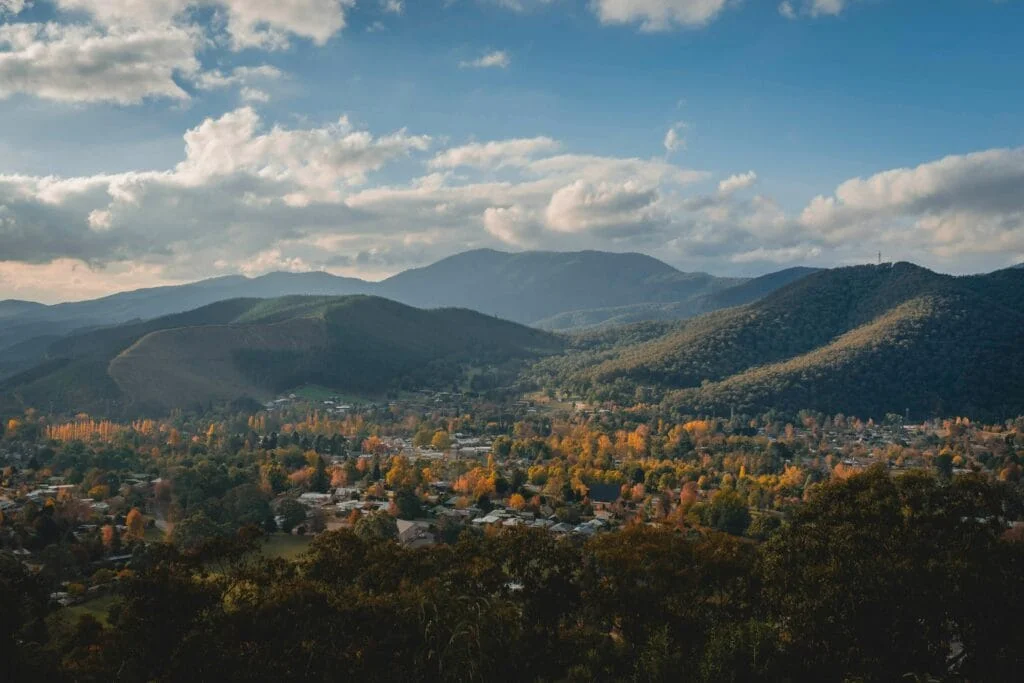
The road to independence was longer and meant a gradual loosening of ties to Great Britain. In 1901, the six British colonies united to form the Australian Union, although the relationship with London was only gradually loosening. Australia remained part of the Commonwealth and until the mid-20th century Britain considered it part of its sphere of influence. During World War II, Australia faced an existential threat as the Japanese army attacked New Guinea and the Northern Territory. The Battle of Milne Bay in August 1942 was the first defeat of Japanese ground forces during the war. After the end of the conflict, Australia gradually oriented itself more towards an alliance with the United States. Final independence was reflected in the gradual relaxation of the "White Australia" policy, and in 1973 this racist legislation was definitively repealed.
Location, Geography and Climate
Australia is located in the Southern Hemisphere, roughly between 10 and 44 degrees south latitude and between 114 and 155 degrees east longitude. The continent is surrounded by the Indian, Southern and Pacific Oceans, making it a truly isolated place on Earth. Its area is 7,686,850 square kilometers, making it sixth in the world by size. Despite being such a huge continent, 95 percent of its territory lies below 600 meters above sea level, making it the second lowest-lying continent after Europe.
Geographically, Australia consists of three main parts. The Western Australian Plateau in the west is geologically the oldest part of the continent. The central part is dominated by dry lowlands and deserts. The Great Dividing Range stretches along the east coast and forms a lower structure, the southern part of which is known as the Australian Alps. The continent's highest mountain is Mount Kosciuszko at 2,228 meters, while the lowest point is at Lake Eyre, which lies 16 meters below sea level. The continent has a huge number of islands, the most famous being Tasmania, which is a separate state, and smaller islands scattered around the coast.
Australia is characterized by large climatic differences depending on location and altitude. It is generally divided into six climate zones, the best known being tropical (in the north), subtropical (in the northeast) and temperate (in the south and southeast). A key feature of Australian weather is that the seasons are opposite compared to the Northern Hemisphere – when it is winter in the Czech Republic, it is summer in Australia.
The most important thing to understand is that in terms of weather there is not just one Australia. The northern part experiences a monsoon season with heavy rains and high humidity in the summer months (December to February). The central and western parts are mostly dry with extreme temperatures. South Australia and Tasmania have rather classic four seasons similar to Europe.
Weather and when to go
| Month | Average temperature | Weather description | Best regions |
|---|---|---|---|
| January | 28-35 °C | Hot, humid in the north, dry in the south | South coast, mountain areas |
| February | 28-35°C | Hot, peak summer season | South Australia, Tasmania |
| March | 25-32°C | Autumn begins, temperatures drop | Transition period for all regions |
| April | 20-28 °C | Ideal: pleasantly warm, little rain | North and Central Australia |
| May | 15-23 °C | Dry winter begins, pleasant temperatures | All regions |
| June | 12-20 °C | Coldest month, rarely freezes | Central Australia, inland travel |
| July | 12-20 °C | Peak of winter, main tourist season | National parks, city attractions |
| August | 14-22 °C | Winter ends, temperatures rise | All regions |
| September | 18-27 °C | Spring begins, flowers bloom | National parks, natural attractions |
| October | 22-30 °C | Spring weather, slightly more humid | Transition period |
| November | 25-33 °C | Warming, summer season begins | Preparation for summer |
| December | 27-35°C | Summer heat and humidity in the north | South Australia, mountain regions |
The best time to travel to Australia is between April and September when temperatures range from 19 to 32 °C and there is minimal rainfall. This time corresponds to the Australian winter and the lush spring months. July and August are the absolute peak of the tourist season, when accommodation prices reach their maximum and places are crowded with tourists. If you want to save money and avoid the crowds, consider April, May or September.
Low season (September to March) brings significantly higher temperatures, higher humidity and frequent rain, especially in the north. From October to May, there is a risk of cyclones in tropical areas. On the contrary, this time offers lower accommodation prices and fewer tourists, so if you can stand the heat and don't mind showers, you can save a significant amount. This period also increases the likelihood of seeing certain species of animals, including migratory birds.
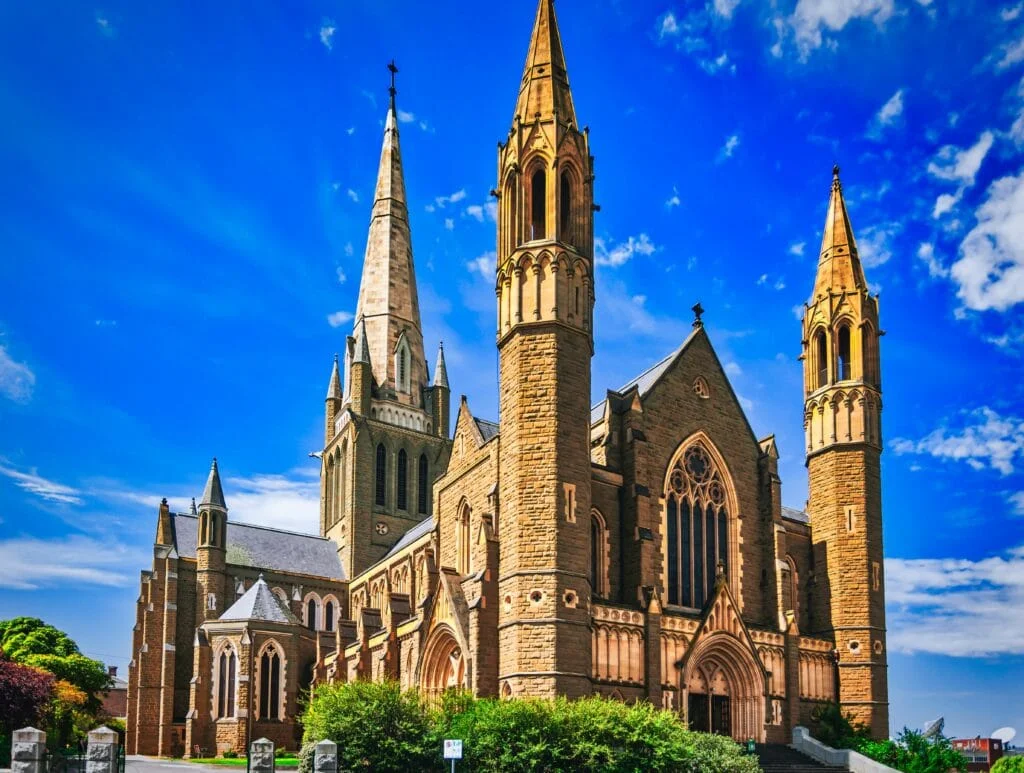
Regions and Destination Types
New South Wales is home to Sydney, Australia's largest and most vibrant city. This state covers areas from the tropical Gold Coast in the north to the cooler areas in the south. The region is ideal for those who want to combine urban experiences with natural beauty. The coast is dotted with beautiful beaches such as Bondi, Maroubra and Byron Bay. If you want to enjoy city life, cultural richness, nightlife and have a great starting point to Australia's most famous attractions, consider New South Wales as your base.
Victoria, Australia's second smallest state, prides itself on its dual character. Melbourne, the capital, is a center of art, gastronomy and sports life. The city is famous for its Victorian architecture, wine valleys and lively streets. To the west of Melbourne stretches the Great Ocean Road, one of the most beautiful coastal roads in the world. This path leads directly to the iconic 12 Apostles (only 7 remain today) – limestone cliffs that rise from the ocean and are one of Australia's most photographed locations. Victoria also includes Tasmania, separated by Bass Strait.
Queensland in the northeast is known for its Great Barrier Reef, the largest coral reef in the world, and tropical nature. Brisbane, the capital, is a modern metropolis with a cultural offering. It includes the Sunshine Coast and the Gold Coast, popular resorts with world-famous surfing beaches. Queensland may be more expensive for travelers, but the natural wealth and water activities make it irreplaceable.
The Northern Territory is the smallest and least populated region, excluding the interior territories. This is the place for those looking for authentic Australia and wilderness. Darwin, the capital city, serves as a gateway to learn about Aboriginal cultures. Key attractions are Uluru (Ayers Rock), a sacred rock in the heart of the continent, and Kakadu National Park, a UNESCO site with a rich Aboriginal history. This area is the most challenging to travel and requires careful preparation.
South Australia is home to the city of Adelaide and the Barossa Valley, one of the most famous wine regions. It is a paradise for lovers of architectural heritage and gastronomy. Adelaide Oval and historic buildings make this city ideal for those who prefer a more leisurely pace.
Western Australia includes Perth, a modern city on the shores of the Indian Ocean, and vast desert areas. This part of the continent is the most remote and the most difficult to access, but this is what attracts travelers looking for authentic wild Australia. Areas like Kimberley promise adrenaline and natural wonders.
Tasmania, an island state in the south, is sought after for its unspoiled nature and cooler climate. Hobart, the capital, is picturesque with historic architecture. Natural attractions such as Wineglass Bay and Cradle Mountain make Tasmania ideal for nature and trekking lovers.
Most Famous Landmarks and Cities
Sydney Opera House is without a doubt the most famous Australian building and one of the most famous buildings of the 20th century. This masterpiece by architect Jørn Utzon was designed in 1956 and inaugurated on 20. October 1973. The interesting thing is that the construction dragged on for 14 years and exceeded the budget more than fifteen times - instead of the original seven million Australian dollars, it ended up costing 102 million dollars.
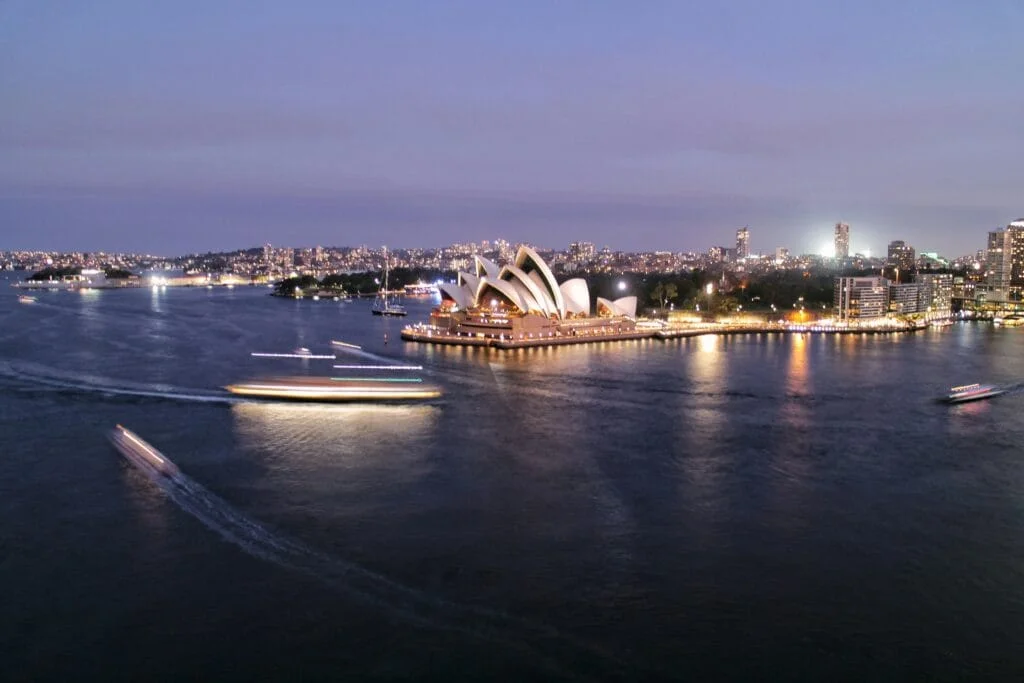
The Opera is not just a building – it is a complex with six halls, a concert hall, a theater and restaurants. Over 1,500 cultural events take place here every year, which are visited by more than 1.2 million people. The building covers 1.8 hectares and is built on the so-called Bennelong Point in Sydney Harbour. It is also interesting that electricity is distributed in it by 645 kilometers of cables and consumes the same amount as a housing estate with 25,000 inhabitants.
Since 2007, the Opera House has been inscribed on the UNESCO World Heritage List and its architect received the highest architectural award in 2003 - the Pritzker Prize. For visitors, it is best to observe the building from different angles - from the Harbor Bridge, from the ferries in the harbor or from Circular Quay, where the Royal Botanic Gardens is also located.
Sydney Harbor Bridge is the second icon of Sydney and one of the most famous bridges in the world. This arched steel bridge connects the central business district to the north shore and spans Port Jackson. Locals informally call this bridge the “coat hanger” because of its distinctive shape. The structure is 503 meters long and was completed in 1932, making it one of the oldest steel arch bridges.
The bridge also offers active experiences – you can cross it on foot or by bike, or try the so-called BridgeClimb, where you climb the arch of the bridge to the top for panoramic views. However, this activity is only reserved for physically fit travelers without health problems.
Uluru, also known as Ayers Rock, is a gigantic monolith located in central Australia in the Uluru-Kata Tjuta National Park. This formation is 348 meters high and 3.6 kilometers long, making it taller than the Eiffel Tower in Paris. Uluru is one of Australia's most famous natural features and is mainly a sacred place for Australia's indigenous Anangu people, who have lived here for over 30,000 years.
The rock changes color throughout the day – it turns golden-orange at sunrise, looks more rusty at midday, and turns purple at sunset. Uluru is an ideal place for meditation and reflection. Since 2002, it has been officially called Uluru / Ayers Rock at the request of the regional tourism association, with the original name Uluru taking precedence.
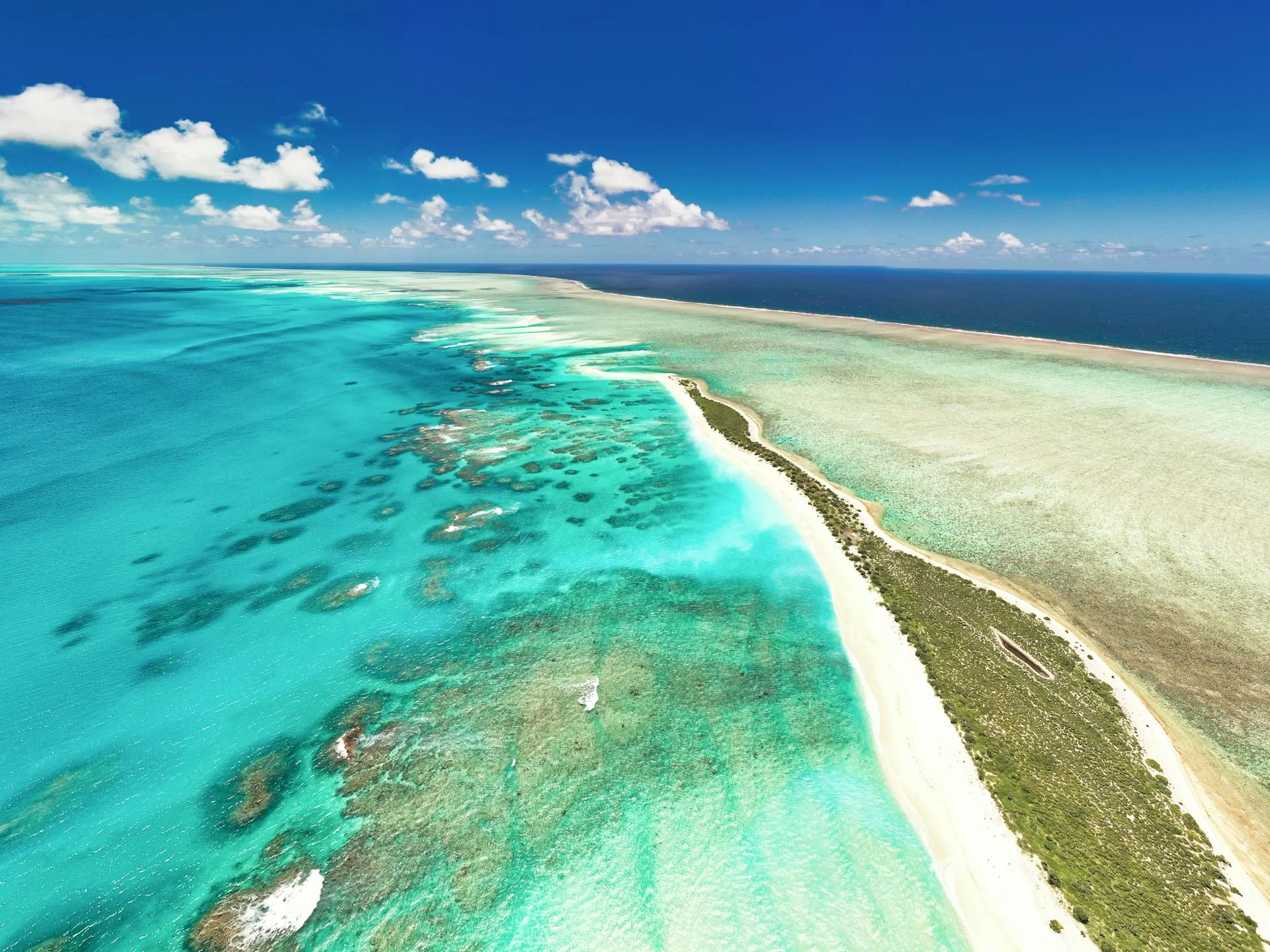
The Great Barrier Reef stretches along the coast of Queensland and is the largest coral reef in the world. The reef has a length exceeding 2300 kilometers and is visible even from space. Since 1981, it has been protected as a UNESCO World Heritage Site under the name Great Barrier Reef Marine Park. The area of the protected area is 348,700 square kilometers.
The reef is not one continuous formation, but a network consisting of more than 2,000 individual reefs and almost 600 islands. The ecosystem here is stunning - you will find over 1500 species of fish, 350 species of coral, 30 species of whales, 6 species of sea turtles, 17 species of sea snakes and 215 species of birds. The reef is comparable to a tropical rainforest in terms of biodiversity.
Unfortunately, the Great Barrier Reef faces serious threats in the form of coral bleaching and overgrowth of spiny starfish. Visiting this place is an opportunity to see this breathtaking ecosystem, but also an obligation to protect it.
Natural Beauty and National Parks
Kakadu National Park in the Northern Territory, approximately 200 kilometers from Darwin, is the largest national park in Australia with an area of 19,804 square kilometers. This area is roughly one third of Tasmania and the park earned UNESCO World Heritage status in 1981. The park has been home to an indigenous people for at least 40,000 years and preserves some of the oldest evidence of human civilisation.
Kakadu is characterized by a huge diversity of ecosystems – from savannah, open woodland and mangroves to wetlands and rainforests. The fauna is extraordinarily rich - 280 species of birds, 60 species of mammals, 50 species of freshwater fish and more than 1600 species of plants have been recorded here. The park is also the site of an unusual geological phenomenon – a uranium mine, which is one of the most productive in the world.
Rock art is a key part of the park. Rock paintings here depict hunting, social rituals and Aboriginal values. The oldest of them come from the last ice age, i.e. roughly 20,000 years ago. The most recent paintings date back to the second half of the 20th century. The most famous location is Ubirr in the east of the park, where you can meet the indigenous people and hear stories about their culture.
The Australian Alps form part of the Great Dividing Range stretching along the east coast. The highest mountain Mount Kosciuszko reaches a height of 2228 meters and was named after the Polish revolutionary Tadeáš Kościuszko. Paradoxically, this mountain range is the source of the Murray River, Australia's most important waterway.
In winter (June to August), snow falls in these mountains, making the Australian Alps the only place in Australia where you can enjoy winter sports. Mountain valleys and countryside are transformed into a landscape reminiscent of the Alpine oases of Europe. The Snowy Mountains National Park offers trekking, skiing and nature that is different from the typical Australian desert.
Uluru-Kata Tjuta National Park includes not only the famous Uluru, but also Kata Tjuta (The Olgas), a group of 36 tall, red-colored rock domes. Kata Tjuta reaches a height of 1066 meters at its highest point and offers fantastic trekking routes. The landscape here is the essence of the desert in its purest form – red earth, minimal vegetation and extreme temperatures.
The park stretches in the heart of the continent approximately 450 kilometers from the nearest large city. The only nearby settlement is Yulara, which serves as a base for visitors. The best time to visit is between March and December when the temperatures are in an acceptable range.
Best Beaches
Bondi Beach in Sydney is undoubtedly one of the most famous beaches in Australia and directly synonymous with the Australian way of life. This 1.5 kilometer long beach is characterized by fine golden sand, crystal clear water and a unique combination of local culture, fitness and bohemianism. Here you will meet fitness enthusiasts, surfers, artists and travelers from all over the world.
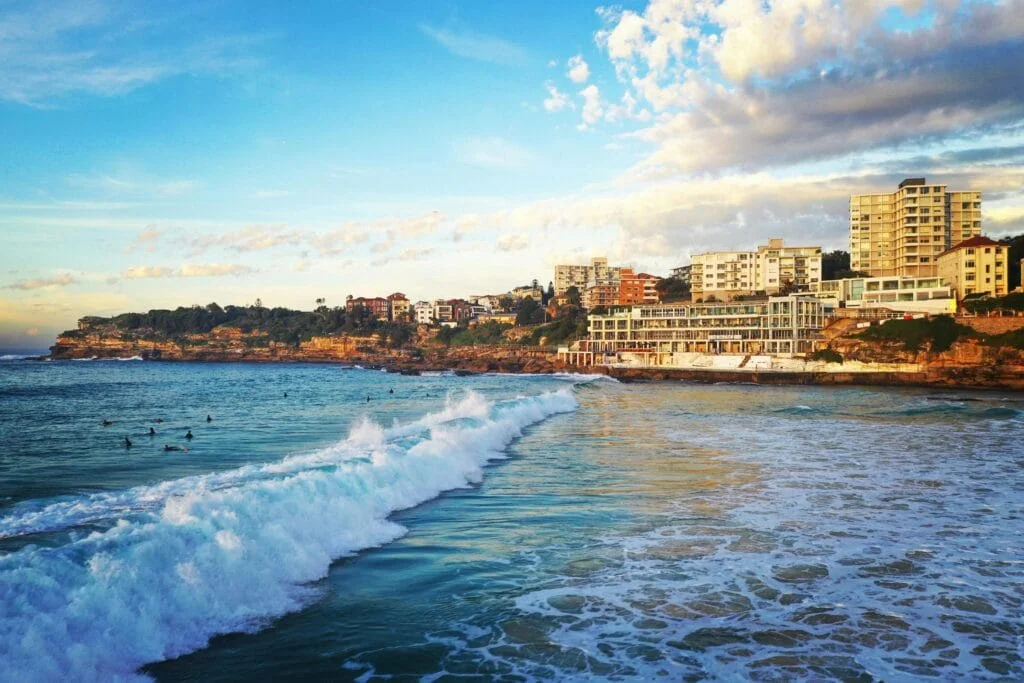
Bondi Beach is perfect for beginners - the waves are suitable for all levels and there are surf schools ubiquitous. The beach is very safe with lifeguard patrols and breakwaters ensuring safe swimming. Around the beach there is a rich selection of cafes, restaurants and bars that make Bondi not only a beach place, but also a social center. The promenade from Bondi to Tamatoma offers one of Sydney's most beautiful coastal walks with spectacular ocean views.
Byron Bay in New South Wales, about 900 kilometers northeast of Sydney, is a unique blend of hippie culture, surfing and Hollywood fame. This small seaside town with 5 thousand permanent residents was named by the famous explorer James Cook in honor of the poet George Gordon Byron. Today, celebrities such as Chris Hemsworth, Matt Damon and Liam Hemsworth often appear here.
Byron Bay is a popular year-round destination for world-class surfers. Byron Main Beach stretches out below the iconic Byron Lighthouse, a 23-metre tall white structure built in the early 20th century. Nearby is Wategos Beach, where you will find perfect conditions for surfing in a calmer environment. Be careful between January and March - this is when sharks and jellyfish appear in the waters.
Julian Rocks, visible from the main beach, is a popular spot for diving and snorkelling. The underwater world is colorful – bearded sharks live here in winter, manta rays appear in summer, and sea turtles and wobbegong sharks live here all year round.
Bells Beach in the state of Victoria on the Great Ocean Road is an iconic beach for surfers. This natural amphitheater in the form of a small bay produces perfect waves all year round, making it the most famous surfing beach in all of Australia. This location hosts the prestigious Rip Curl Pro Surfing Championship and other major events.
Activities and Entertainment
Australia offers a wide range of activities for every type of traveller. For adrenaline junkies there are options such as bungee jumping, paragliding and mountain biking. Water sports dominate - surfing in the east, diving and snorkelling at the Great Barrier Reef, swimming with dolphins in the northern waters. Nature lovers can hit the trails of the Australian Alps, do day treks in national parks or go on multi-week expeditions to the Outback.
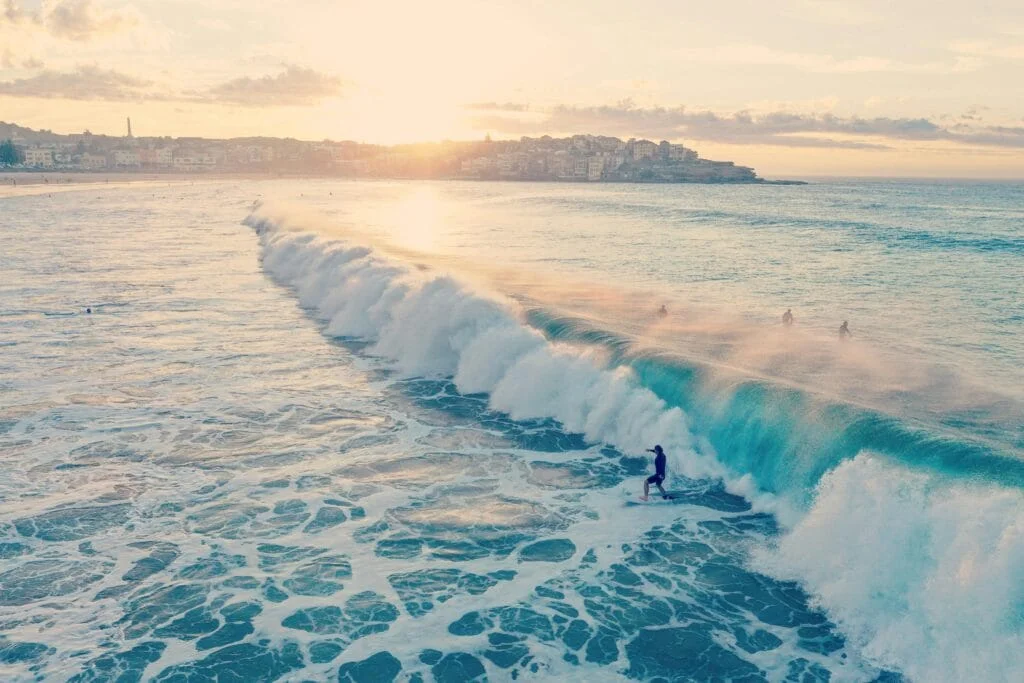
For those who prefer a slower pace, there are city tours, visits to galleries and museums, wine tastings in wine regions, shopping at markets or simple relaxation on the beach. Culturally oriented travelers can look forward to the Vivid Sydney festival, the Sydney Gay and Lesbian Mardi Gras or the Sydney Festival. Families with children will find plenty of amusement parks, zoos and interactive museums.
Gastronomy and culture
Australian cuisine is a fascinating blend of traditional indigenous ingredients, British influences and global trends. One of the most famous Australian specialties is Vegemite, a dark brown spread made from yeast extract. This spread has a very intense, salty taste, and for foreigners its taste can be a challenge. It is traditionally spread on toasted bread with butter and is often combined with cheese or avocado.
A typical Australian food is Meat Pie - savory pies filled with a mixture of minced beef, thick tomato sauce and sometimes onions or cheese. These pies are served with ketchup and are considered a traditional "working man's food". A variation is Chicken Parmigiana, a modified Italian recipe - fried chicken cutlet with tomato sauce and cheese, usually served with fries and salad.
Dishes from exotic animals are also traditional - you can taste meat from emu (very healthy, low in fat and cholesterol), kangaroos or even crocodile (rare). Lamb shanks – slow-roasted legs of lamb with beans, carrots and tomatoes – are a classic Australian specialty. Corned beef is beef that is cured for a long time in salt and served with mashed potatoes and mustard sauce.
Fried fish and seafood cannot be overlooked in modern Australian cuisine – prawns, oysters and fish are part of the menu of regular restaurants. Barramundi, a massive freshwater fish, is the pride of Australian anglers. Desserts include Lamingtons – small cakes covered in chocolate and grated coconut, often filled with jam or cream, or Tim Tams – brittle chocolate biscuits covered with a layer of chocolate cream.
When it comes to drinks, Australia has an excellent wine production – mainly from regions like the Barossa Valley, Yarra Valley and Hunter Valley. The local beers are famous and there is a so called Aussie pub culture – going to pubs is a popular social activity. Australian whisky is also a typical drink.
If you are traveling in Australia, you should get used to the local customs. Restaurants usually open for lunch around 11:30 or 12:00 and close around 22:00 to 23:00. Most Australians have dinner around 6pm to 7pm. Opening hours may be shorter in rural areas. Tipping is not officially mandatory, but in restaurants 10 to 15 percent of the bill is expected for good service. Tipping is not customary on suburban beaches and cafes.
Food quality and freshness is standard high in Australia. Australians are picky about ingredients and like to buy local products. You can find fresh fruits, vegetables and specialties at the farmer's markets. Alcohol is sold in "bottle shops" (specialized stores) and restaurants, but its consumption in public (outside the designated area) is prohibited. You are allowed to bring your own drinks in some theaters and cinemas.
Australian culture is characterized by openness, informality and pluralism. Australians have a developed culture of leisure activities – sport, particularly cricket, Australian rules football and rugby, is part of the national identity. Public holidays are observed within each state and each state has its own - for example the Melbourne Cup in Victoria (first Tuesday in November) is considered a public holiday and all offices are closed.
The most famous festival is the Sydney Gay and Lesbian Mardi Gras, one of the largest festivals of its kind in the world. It lasts a week and can be attended regardless of sexual orientation – it's more of a celebration of diversity and tolerance. The show takes place in Oxford Street and is accompanied by various shows and workshops.
Sydney Festival is the main cultural festival in January, attracting approximately half a million visitors annually. You'll find music of all genres, dance, theater and free events.
Vivid Sydney takes place in May and June for three weeks. During this festival, Sydney transforms into a "festival of light, music and ideas". Iconic buildings such as the Opera House and the Harbor Bridge are illuminated with colorful installations and video projections. The festival is attended by approximately 2.3 million visitors and generates an economic benefit of 110 million Australian dollars for the state.
Another popular festival is the Woodford Folk Festival, one of the largest folk festivals in the world, featuring not only folk groups, but also workshops with indigenous people, circus performances and the festival culminates with a fire show on New Year's Day.
Key practical information
Australian currency is the Australian dollar (AUD). One dollar is divided into 100 cents. Banknotes are issued in denominations of 5, 10, 20, 50 and 100 dollars, and coins in denominations of 5, 10, 20 and 50 cents. The exchange rate is around 1 AUD = 16-£1 (exchange rate varies), but always check the current value.
The easiest way is to pay by card - contactless and Visa/Mastercard are accepted almost everywhere in Australia. ATMs are ubiquitous in cities and tourist areas. However, in the countryside and small villages it is better to have cash. Some gas stations and shops may have a minimum amount for card payment.
Tipping is not mandatory, but restaurants expect 10 to 15 percent of the bill for good service. Bartenders are typically paid $1 to $2 per drink. Taxi drivers are also tipped by rounding up the amount, but it is not mandatory.
All travellers except Australian citizens need a visa. For Czech citizens, there is the simplest option – an eVisitor visa (subclass 651), which is applied for free of charge online and takes a few minutes to hours to process. This visa allows a stay of up to 3 months and is valid for 1 year from issue. The number of entries is unlimited.
An alternative is a tourist visa (Visitor Visa, subclass 600), which allows a stay of up to one year with a maximum length of each entry 3 months. This visa is subject to a fee and is suitable for those planning a longer visit.
To apply for a visa you need:
- A valid passport with a minimum validity of 6 months from the date of entry
- Photo (digital)
- Employment or study details
- Health information
- Clean criminal record
A transit visa is not required if your stay in the transit area of the airport is less than 8 hours and you have a secured ticket for an onward flight from Australia.
Australia is generally a very safe country for travelers. Murders and serious violent crimes are not common. Nevertheless, it is necessary to be careful with personal property – in cities, beware of pickpockets and theft from cars. In Sydney, it is recommended to avoid the districts of Kings Cross and Redfern especially at night.
When traveling by car, be aware that in Australia you drive on the left. In the countryside and desert, animals can enter the road - especially kangaroos at night. Drive very carefully after dark. In central Australia and on some highways there are gas stations more than 100 kilometers away, so take a spare petrol canister, plenty of water and a spare tyre with you.
In the north live sea crocodiles - warning signs clearly mark their territory. Do not swim in unmarked rivers. In nature, watch out for poisonous snakes and spiders - walk slowly, look under your feet, wear sturdy shoes and ideally knee pads. In the sea, there is danger from the box jellyfish, whose sting can be fatal. This jellyfish is mainly found from October to May in northern waters.
Australian cultural customs are generally very informal. Australians tolerate egalitarianism, titles and hierarchies are not important. They are often called by nicknames and humor is a part of everyday life. Don't expect formal behavior - it's a country where almost everyone calls their boss by their first name.
Australia's health system is one of the best in the world and the WHO ranks it 7. placein the global rankings. For tourists from the EU, it is recommended to take out travel health insurance, which will cover any unexpected situations, as health care is expensive.
There is no mandatory vaccination for entry to Australia, but vaccination against type A jaundice, tetanus and typhoid is recommended. MMR vaccination and tetanus booster are also recommended for those planning to stay longer than 3 months.
Health care is good but expensive. A doctor's visit costs approximately 100 to 150 AUD, and hospitalization costs 200 to 300 AUD per night. Medicines are sold in pharmacies and some are available without a prescription. The most famous chains are Chemist Warehouse and Priceline.
Australia is home to some of the most venomous and interesting animals in the world. Koalas are cute tree marsupials with gray fur that feed on holly leaves and sleep up to 20 hours a day. Their brains are extremely small and they feed on nothing else but certain types of eucalyptus. Kangaroos are also marsupials, known for their massive hind legs and ability to jump at speeds of up to 70 km/h. In nature, they can be seen especially at night.
The wombat is another fascinating marsupial – a massive creature with short legs that likes to roll in the mud and leave behind cube-shaped droppings. The Platypus is an avian (egg-laying) mammal with a duck-like beak and a beaver-like tail. The Emu is the third largest bird species in the world and its meat is used in Australian cuisine. In the sea you can meet sea turtles and a number of species of fish.
In terms of dangerous animals, Australia is home to some of the most venomous snakes and spiders in the world. The Poisonous funnel-web spider (Sydney funnel-web spider) is one of the most poisonous spiders ever, but it avoids people. There are also deadly poisonous snakes such as the eastern brown snake. If you encounter a wild animal, it is best to move away and keep calm.
Of the trees, Australia is particularly famous for the eucalyptus trees, which koalas feed on. Kajeputs (paperbark trees) have papery bark that peels off. Acacias (wattles) are delicate trees with golden flowers. Approximately 15 percent of all plant species on Earth grow in Australia.
Basic vocabulary
| Czech phrase | English (Australian) translation |
|---|---|
| Good day | G'day / Hello |
| Good morning | Good morning |
| Good evening | Good evening |
| Thank you | Thank you / Thanks |
| Please | Please |
| How much is it? | How much is it? / What's the price? |
| Where is the toilet? | Where is the toilet? / Where's the loo? | me
| Excuse me | Excuse me me |
| Water | Water |
| Food | Food |
| Beer | Beer |
| Wine | Wine |
| Restaurant | Restaurant |
| Hotel | Hotel |
| Pharmacy | Pharmacy / Chemist |
| Police officer | Police officer |
| Help! | Help! |
Transport and logistics
Airplane is the only practical option for arriving in Australia. The main international airports are:
- Sydney Kingsford Smith Airport (SYD) - Australia's largest and busiest airport
- Melbourne Tullamarine Airport (MEL) – second largest
- Brisbane Airport (BNE) – third largest
- Perth Airport (PER) – for westbound trips
- Adelaide Airport (ADL) – in South Australia
- Darwin International Airport (DRW) – for North Australia
Z The Czech Republic does not fly direct flights, so you will have to change – usually in destinations like Singapore, Dubai, Bangkok or Kuala Lumpur. Flight time from Prague is approximately 22 to 25 hours including transfers. The cheapest tickets are usually offered by airlines such as Air Asia or China Southern Airlines.
Due to the huge distances between cities (e.g. Sydney-Perth is approximately 4000 kilometers), air travel is the most practical. Approximate flight times are:
- Sydney-Brisbane: 1 hour
- Melbourne-Brisbane: 2 hours
- Darwin-Brisbane: 4 hours
- Sydney-Perth: 5 hours
Domestic airlines such as Qantas, Virgin Australia and Jetstar offer competitive fares. You can find cheap flights if you book in advance.
Australia's rail network mainly connects the biggest cities, but due to the long distances it is usually worth flying. Long-distance trains are more of a tourist attraction than a practical means of transport. Some of the most popular include:
- Sydney-Melbourne (approx 11.5 hours, from AUD 83 one-way)
- Sydney-Brisbane (approx 14 hours)
- Great Southern (Adelaide-Brisbane with a stop at Canberra)
All long-distance trains depart from main stations such as Central Station in Sydney or Southern Cross Station in Melbourne.
Long-distance buses are the cheapest option. Companies such as Greyhound Australia and Firefly Express connect major cities. Example routes:
- Sydney to Melbourne: approx 11.5 hours, from AUD 99
- Melbourne to Adelaide: approx 9.5 hours, from AUD 65
- Brisbane to Sydney: approx 15 hours
Buses are comfortable and air-conditioned, but long journeys can be exhausting.
Car hire is a popular option for travellers. The most famous companies are Hertz, Avis, Budget and Enterprise. Prices range from 30 to 80AUD per day depending on the type of car.
Important rules:
- In Australia you drive on the left.
- A valid English driver's license is sufficient, but an international driver's license is recommended.
- A vehicle is required in the countryside and desert 4x4.
- Speed limits: 50 km/h in cities, 100 km/h on motorways, 110 km/h on some modern motorways.
- Alcohol behind the wheel is strictly prohibited – the limit is 0.05% BAC.
In Sydney the Opal card is used, which you can buy in any traffic shop. Trains, buses and ferries use this system. One ride costs approximately AUD$3.80 (2025).
A similar Myki system is used in Melbourne. Buses and trams form a dense network throughout the city.
In Brisbane the GO Card is used for buses, ferries and trains.
Prices and travel budget
Budget traveler (Backpacker): Expect AUD$50 to 80 per day (800-£43). Accommodation in hostels or shared accommodation (AUD 30-50 per night), food from supermarkets and street food (AUD 10-20), public transport and park entrance fees. This option is suitable for young people, students and those who don't want to spend.
Mid-class: Expect AUD$150 to AUD$250 per day (£2,400-£133). Three-star hotel (AUD 120-180 per night), quality restaurant (AUD 25-40 per meal), car rental, entrance fee. This category offers comfort and is ideal for couples and families.
Luxury Traveller: Expect 300 to 500+ AUD per day (4,800-8,000+ CZK). Four to five star hotel (200-400+ AUD per night), meals in Michelin-starred restaurants (50-100+ AUD), helicopter flights, private guides. This option is suitable for those who want the best experience.
- Car rental – if you plan to see more places and have enough time.
- Advance tickets – booking 3-4 weeks in advance can save you up to 40 percent.
- Hotels with a view – higher price for rooms with ocean view or the city is often worth it.
- Guides in national parks – an experienced guide will introduce you to lots of interesting things.
- Diving courses – if you want to dive the Great Barrier Reef, consider a certified course.
How to plan the ideal trip
For beginners and families with children, Sydney and surrounding area is recommended (2-3 weeks). This city has it all - iconic sights, safe beaches, accessible public transport and a variety of family-friendly options.
Couples recommend the combination of Melbourne and the Great Ocean Road (10-14 days) for romance, gastronomy and natural beauty.
Solo travellers are ideally suited to Byron Bay and Sunshine Coast (7-10 days) for a more relaxed atmosphere and easier networking in hostels.
Seniors are recommended Adelaide and Barossa Valley (5-7 days) for a more comfortable pace, quality wine regions and less physically demanding activities.
Adventurers will like Northern Territory and Uluru-Kata Tjuta (10-14 days) for a true wild Australian experience.
Book in advance - especially accommodation and car rental in the high season (July-August) tend to be sold out weeks in advance.
Don't plan too much – Australia is vast and distances are greater than they often seem. Better to visit fewer places but more thoroughly.
Meteorological conditions – cyclones in the north (October-May) can disrupt your plans. Central Australia is extremely hot in January and February.
Insurance - travel insurance is key due to expensive healthcare.
Typical mistakes - don't try to visit too many places in a short time, don't underestimate distances, don't forget sunscreen (UV radiation is intense) and don't just focus on big cities.
Big City Week (7 Days)
Days 1-3: Sydney (Opera, Harbor Bridge, Beaches)
Days 4-5: Melbourne (Royal Botanic Gardens, Great Ocean Road Trip)
Days 6-7: Brisbane (Relax, City Tour)
East Coast & Sea (10 Days)
Days 1-4: Sydney (city and surrounds)
Days 5-7: Byron Bay (beaches, surfing)
Days 8-10: Great Barrier Reef (Cairns, diving, nature)
Classics and nature (14 days)
Days 1-3: Sydney
Days 4-6: Melbourne and the Great Ocean Road
Days 7-10: Rent a car and wander the mountains
Days 11-14: Relax on the beach or visit Uluru
Summary and final tip
Australia is a land of endless possibilities for discovery, relaxation and experiences. The combination of iconic cities such as Sydney and Melbourne with the wild nature of national parks, the underwater world of the Great Barrier Reef and the spirituality of native Australian culture make Australia a destination that appeals to every traveller. Whether you're looking for adventure, relaxation, cultural experiences or simply an escape from the everyday, Australia has it all.
Before you travel, remember the most important things: book your visa, plan ahead, get travel insurance and pack plenty of sunscreen. Did you know that Australia is one of the sunniest places on Earth and UV radiation is much more intense here than in Europe? So don't forget to protect your skin. Whichever region you choose, the main thing is that Australia will serve you well to relax, explore and make memories that will last a lifetime.
Kategorie:
Similar Articles
Recommended Retailers






Popular Brands