Jars that keep freshness and overview - practical tips for choosing
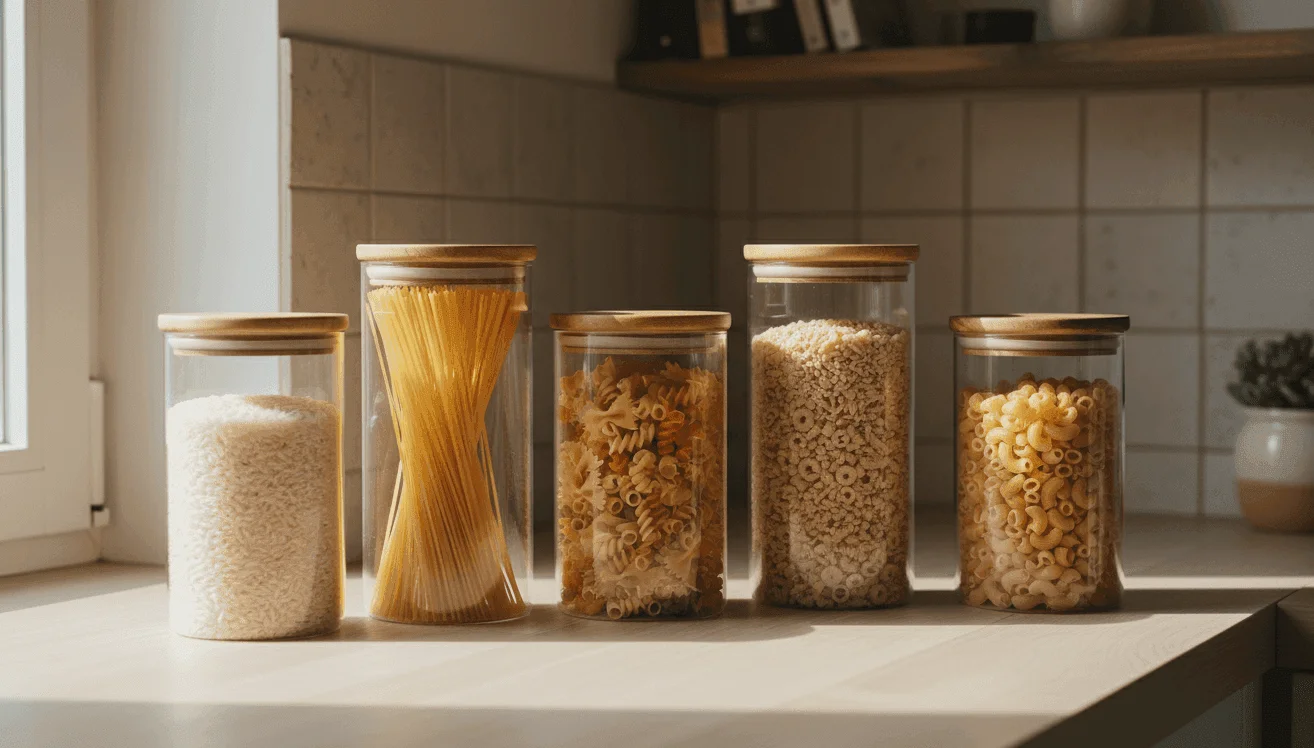
Choosing the correct dose for food may seem trivial, but the opposite is true. It is the cornerstone of an organized and efficient kitchen that saves not only space but also your wallet. Proper storage prolongs the freshness of food, helps in the fight against waste and facilitates daily meal preparation. This complete guide will show you how to navigate the wide range of materials, sizes and brands and how to choose cans that will serve you for years to come.
Did you know that by properly storing food, the average household can save up to several thousand crowns a year and reduce food waste by more than 20%? Investment in high-quality cans will quickly pay off not only in the form of fresher food, but also in saved money.
Types of food containers by material: Which one is right for you?
Material is the alpha and omega of choice. Each has its own specific properties that predetermine it for a different use. Let's take a look at the most common variants, their advantages and disadvantages.
Glass jars
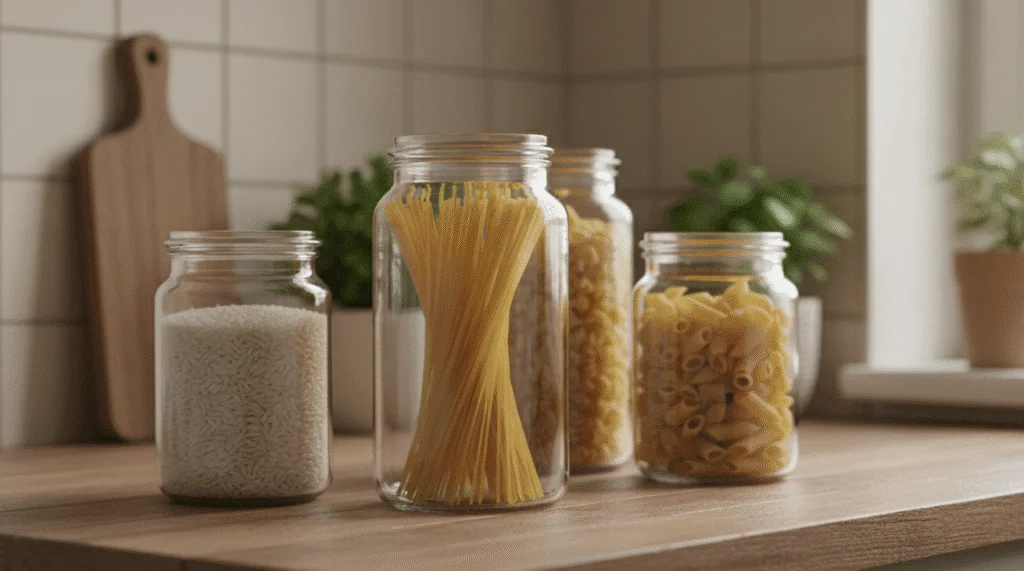
Glass is a classic that's coming back into fashion, and for good reason. It is a clean, hygienic and ecological material that does not absorb odors, tastes or colors from stored food. This makes glass jars ideal for aromatic foods such as curry sauces or for foods whose taste you do not want to affect in any way. Most of them are made of tempered or borosilicate glass, so you can safely use them for baking in the oven or heating in the microwave (without the lid, of course). The disadvantage is their higher weight and susceptibility to breakage, so they are not ideal for frequent carrying. They will be used most by those who want a universal container for storing leftovers in the fridge, which they can put straight into the oven, and those who prefer healthy and sustainable materials.
Plastic cans
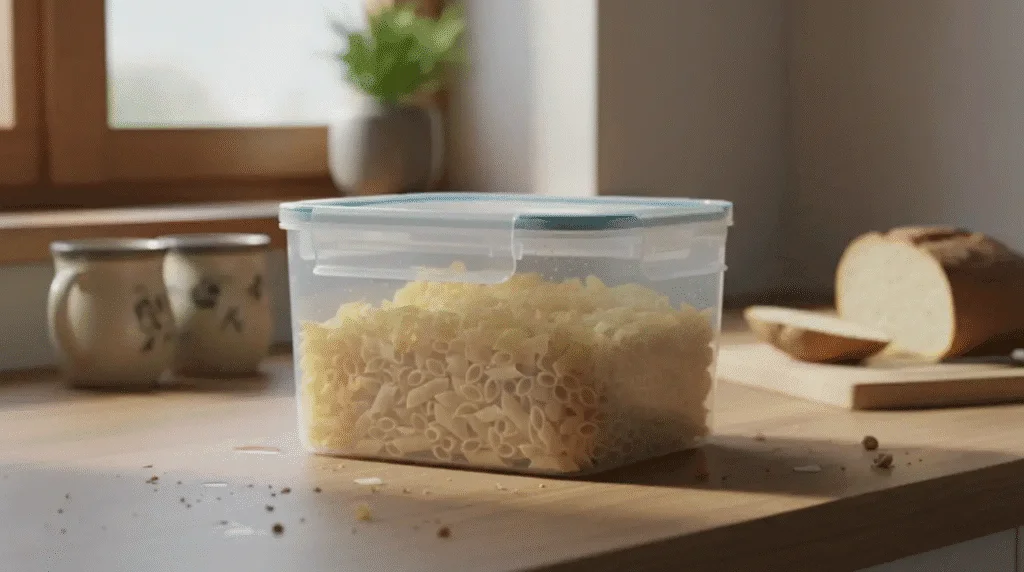
Plastic cans are probably the most common type due to their lightness, resistance to breakage and low cost. They are available in an abundance of shapes and sizes, which makes them a great helper for both pantry and fridge organization. They are ideal for carrying lunches, snacks or storing dry food. Their main disadvantage is that they can absorb odors and dyes from food over time, especially from foods such as carrots, tomato sauce or turmeric. When choosing, it is key to pay attention to the BPA-free label, which guarantees that the plastic does not contain harmful Bisphenol A. They are especially appreciated by students, families with children, people who bring food to work or for organizing dry supplies in the pantry.
Stainless steel cans
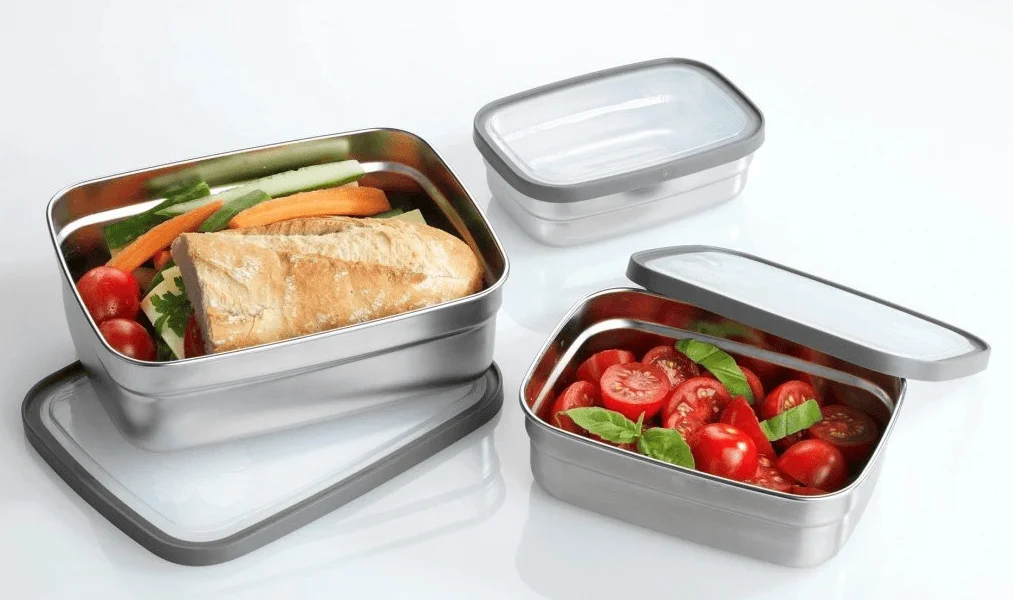
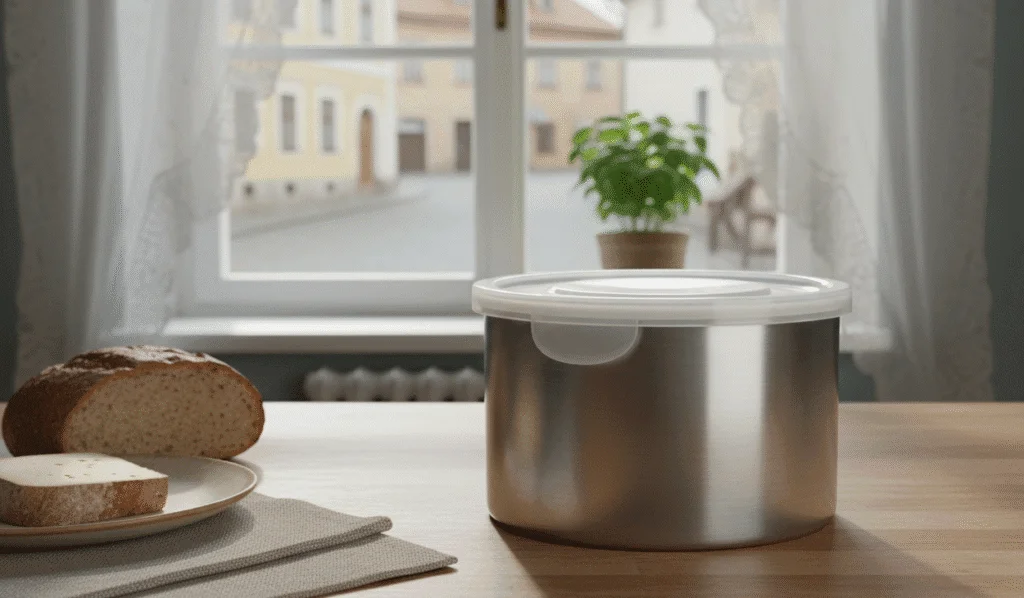
Stainless steel is synonymous with durability and longevity. These jars are practically unbreakable, very light and do not affect the taste or smell of food in any way. They are great as snack boxes for trips or to work, as they can withstand less gentle treatment. In addition, some models are double-walled and function as thermoses, so they keep food hot or cold for several hours. Disadvantages include the fact that they are not transparent, so you can't see what's inside, and they are basically not to be used in the microwave. They are the perfect choice for tourists, workers and anyone looking for the most durable and long-lasting solution for carrying food.
Silicone jars
Silicone is a modern, flexible material that is gaining more and more popularity. Its biggest advantage is consistency - many silicone cans are collapsible, so they take up minimal space in a bag or cabinet after emptying. They are light, unbreakable and withstand a wide range of temperatures, so they are suitable for the freezer, microwave and dishwasher. However, they may be more prone to absorbing odors from strongly aromatic foods and their surface may appear slightly "sticky". They are a great alternative to plastic and are ideal for people with small kitchens, for camping, traveling or as storage lunch boxes.
Key parameters when choosing
Besides the material, there are several other factors that determine how well a jar will serve you. Pay attention to them and you will avoid disappointment from an inappropriate purchase.
Cap and seal type
The lid is just as important as the container itself. It is what ensures that the content stays where it belongs.
- Snap clips: They are considered the most reliable. The four-sided clips in combination with the silicone seal guarantee 100% waterproof and airtightness. Ideal for soups and sauces.
- Screw lids: Seals perfectly and is perfect for storing liquids such as smoothies, soups or homemade broths.
- Loose lids: Usually found on dry food containers (flour, sugar). They protect the contents from dust, but they are not airtight.
The key to freshness is the silicone seal. Always check that it is included with the lid if you need a jar that won't leak a drop and keeps the aroma inside.
Volume and Size
The correct size of the can depends on the purpose of its use. It is always better to have several different sizes on hand.
- Small jars (up to 0.5 l): Perfect for nuts, seeds, dips, children's snacks or small portions of leftovers.
- Medium cans (0.8-1.5 l): Ideal size for lunch to work, a portion of soup or a salad.
- Large cans (3 l and more): Essential for storing loose foods such as flour, sugar, pasta, rice or muesli.
Stackability and modularity
If you're struggling with space, stackability is key. Jars that fit together or can be safely stacked on top of each other save valuable space in the pantry, fridge and kitchen cupboards. Some brands, such as Curver or Tescoma, offer entire modular systems where the individual sizes fit together perfectly to create a compact and organized storage system.
Use in microwave, freezer and dishwasher
Before buying, always check what the can is intended for. Look for specific symbols on the bottom of the container or on the packaging (usually a snowflake for the freezer, ripples for the microwave and plates with water drops for the dishwasher). It's important to remember that while you can put a glass container in the microwave or oven, the plastic lid usually doesn't belong there. In addition, when heating plastic cans in the microwave, the lid must be loosened or completely removed so that steam can escape.
Special features for demanding
Modern cans also offer a number of gadgets that can further improve food storage.
Vacuum cans: Use a pump to suck air out of the container, which significantly extends the freshness of food. Great with coffee, charcuterie or cheese.
Jars with a date stamp: You can set the storage date of the food on the lid, so you always have an overview of its shelf life.
Jars with drip grid: Keep fruits and vegetables separated from condensed water, preventing them from spoiling quickly.
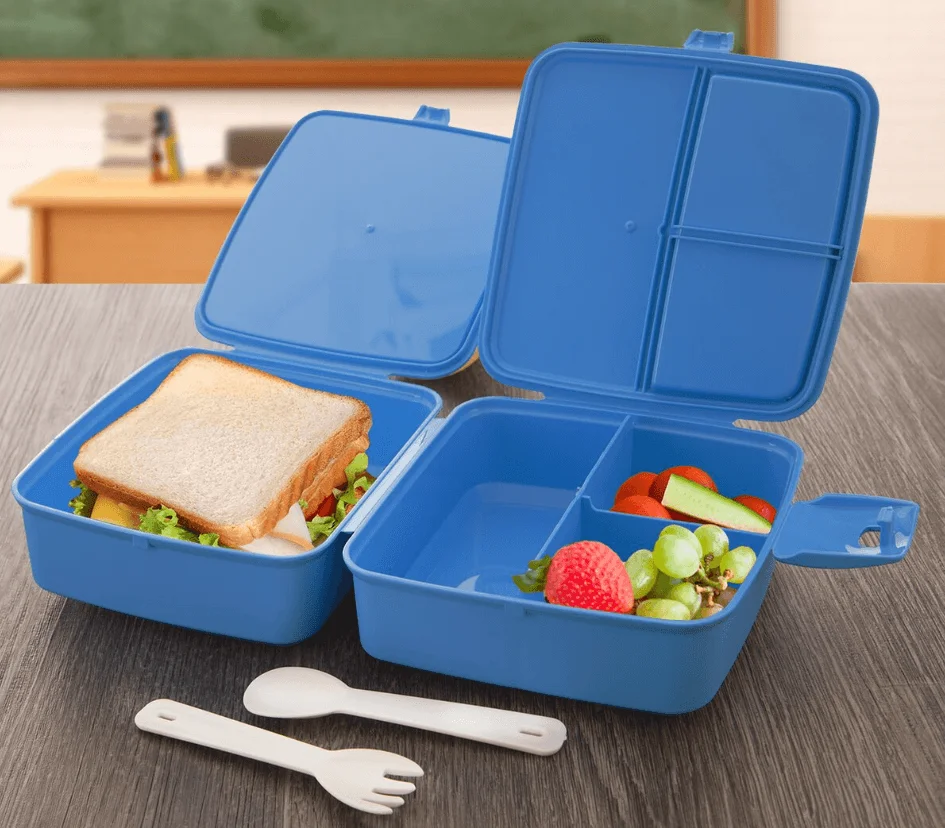
Cans with dividers: Ideal as lunch boxes, they allow you to separate the main course from the side dish or salad.
How to choose a can according to the purpose of use? A practical advisor
We have the theory behind us, let's see which dose is suitable for specific situations.
For storing dry food (flour, sugar, pasta)
Stackable and transparent jars, whether plastic or glass, are best for these purposes. Transparency allows you to have a constant overview of your inventory. The key is a reliable seal that protects the contents from moisture and food moths.
For leftovers in the fridge and freezer
glass jars clearly lead here. They are hygienic, do not absorb odors and you can put them straight from the fridge into the microwave or conventional oven. For freezing, high-quality plastic jars that are certified for low temperatures are a great and lighter alternative.
For takeaway lunches (meal prep)
light plastic or durable stainless steel boxes are ideal. Look for models with internal dividers that allow you to elegantly separate individual food components. An absolute must is the 100% sealing lid with snap clips to prevent accidents in the bag.
For kids for a snack
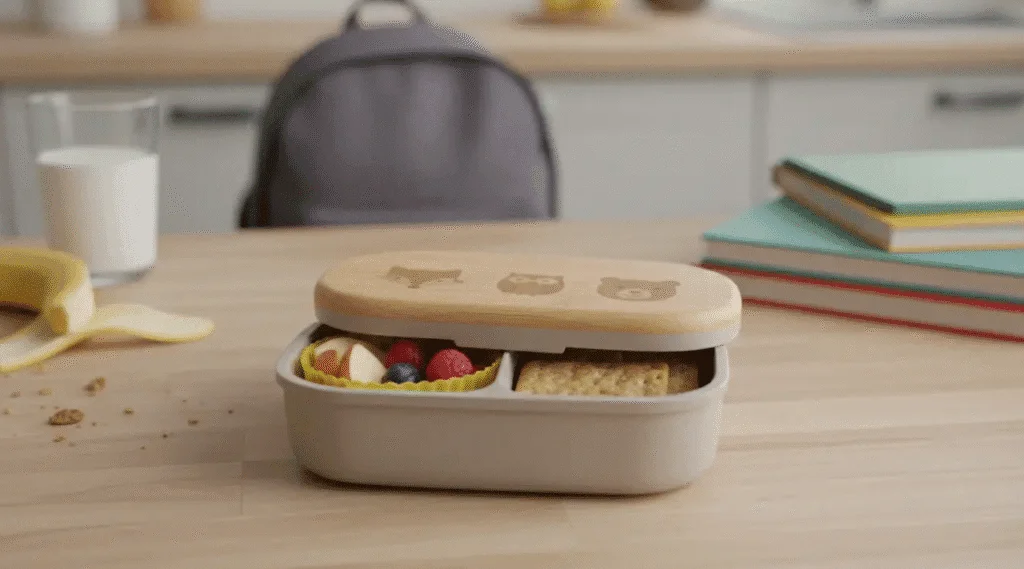
Children's snack boxes must above all be durable, light and harmless to health (BPA-free plastic or stainless steel). Also important is a design that will interest children, and especially easy opening, which even small children's hands can handle.
Maintenance, use and service life: To make the jars last forever
Proper care will extend the life of your cans and ensure they always look like new.
How to remove stains from plastic cans?
Stains from tomato sauce or turmeric can be a pain. Try a paste of baking soda and water—apply it to the stain, let it sit, and then wash it off. Another option is to fill the can with a solution of water and vinegar (in a ratio of 1:1) and let it work for several hours.
How to get rid of the smell?
If the jar smells of aromatic food, pour dry baking soda into it, close it and leave it overnight. Baking soda will absorb the smell. Alternatively, you can wash the jar with vinegar water or place crumpled newspaper in it overnight, which also absorbs odors.
When is it time to replace an old plastic can?
A plastic can should be recycled as soon as it is deeply scratched, permanently discolored, deformed by heat, or if the seal or closing mechanism is damaged. Deep scratches can harbor bacteria that are difficult to remove.
Overview of the most famous brands on the market
There are several established brands on the Czech market that offer quality and proven products.
Lock & Lock
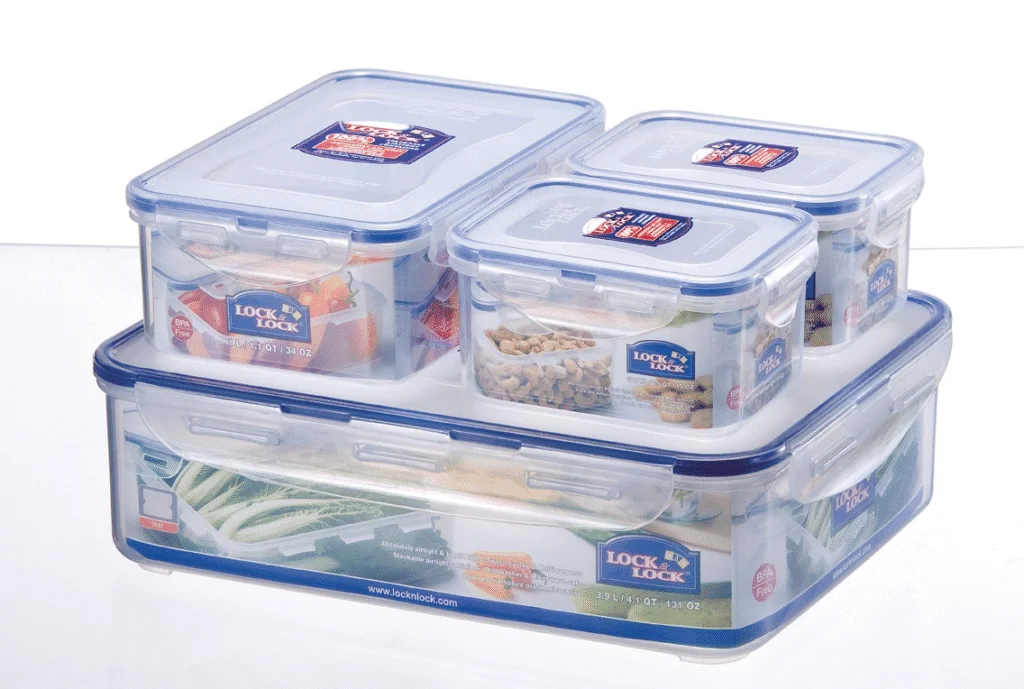
This brand is famous for its patented system of four-sided snap cap with silicone seal. Her cans are 100% airtight and waterproof, making them the ultimate in preserving freshness and transporting liquid foods.
Tesco
A traditional Czech brand with an extremely wide range for the entire kitchen. Tescoma cans offer an excellent price-performance ratio and cover practically all needs - from basic plastic cans to specialized vacuum systems.
Curver
A specialist in plastic products that emphasizes design and functionality. Curver offers many design lines, such as cans specially designed for storing cold meats and cheeses in the fridge, or practical lunch boxes with cutlery.
Orion
Czech wholesaler of household goods, which offers a wide range of affordable cans made of different materials. Anyone looking for a functional and reliable solution without the need for large investments will choose the Orion brand.
Final advice: Buying a whole set of cans is often more cost-effective than buying individual pieces. In addition, you get a solution that is uniform in design and easily stackable.
Summary and final tip
Choosing the right food container is not a science, but it is worth thinking about for a while. The basis is to clarify what you will most often use the jar for, and choose the most suitable material and type of lid accordingly. While you will appreciate a light and airtight plastic box for carrying lunch, a glass jar is priceless for storing leftovers in the fridge and reheating them afterwards. Investing in high-quality and functional cans will pay you back many times over in the form of longer fresh food, less waste and a perfectly organized kitchen. Whichever container you choose, remember that the best one is the one that is empty for a minimal amount of time and constantly helps you fight against food waste.
💬 Frequently asked questions and answers (FAQ)
What exactly does the label BPA-free mean and why is it important?
BPA-free means that the product does not contain the chemical substance Bisphenol A. This substance was previously commonly used in the production of polycarbonate plastics. Some studies suggest that BPA can be released from plastic into food, especially when heated, and potentially negatively affect the hormonal system. By choosing products with the BPA-free label, you are sure that healthy plastic was used for production.
Can I put hot food straight into a plastic or glass jar?
You can put hot food in a glass jar (especially borosilicate glass) without worry. For plastic cans, it is recommended to let the food cool down at least partially. A sharp change in temperature can damage the plastic and, for lower quality plastics, could increase the risk of chemical release. Always follow the manufacturer's instructions.
What is the difference between ordinary and borosilicate glass for food containers?
Borosilicate glass is much more resistant to thermal shocks than ordinary soda-lime glass. This means you can safely transfer the borosilicate glass jar from the fridge straight into the preheated oven without it cracking. It's also overall stronger and more scratch-resistant. It is therefore clearly a better choice for baking and frequent temperature changes.
Kategorie:

Recommended Retailers






Popular Brands