Rhodes: The Complete Guide
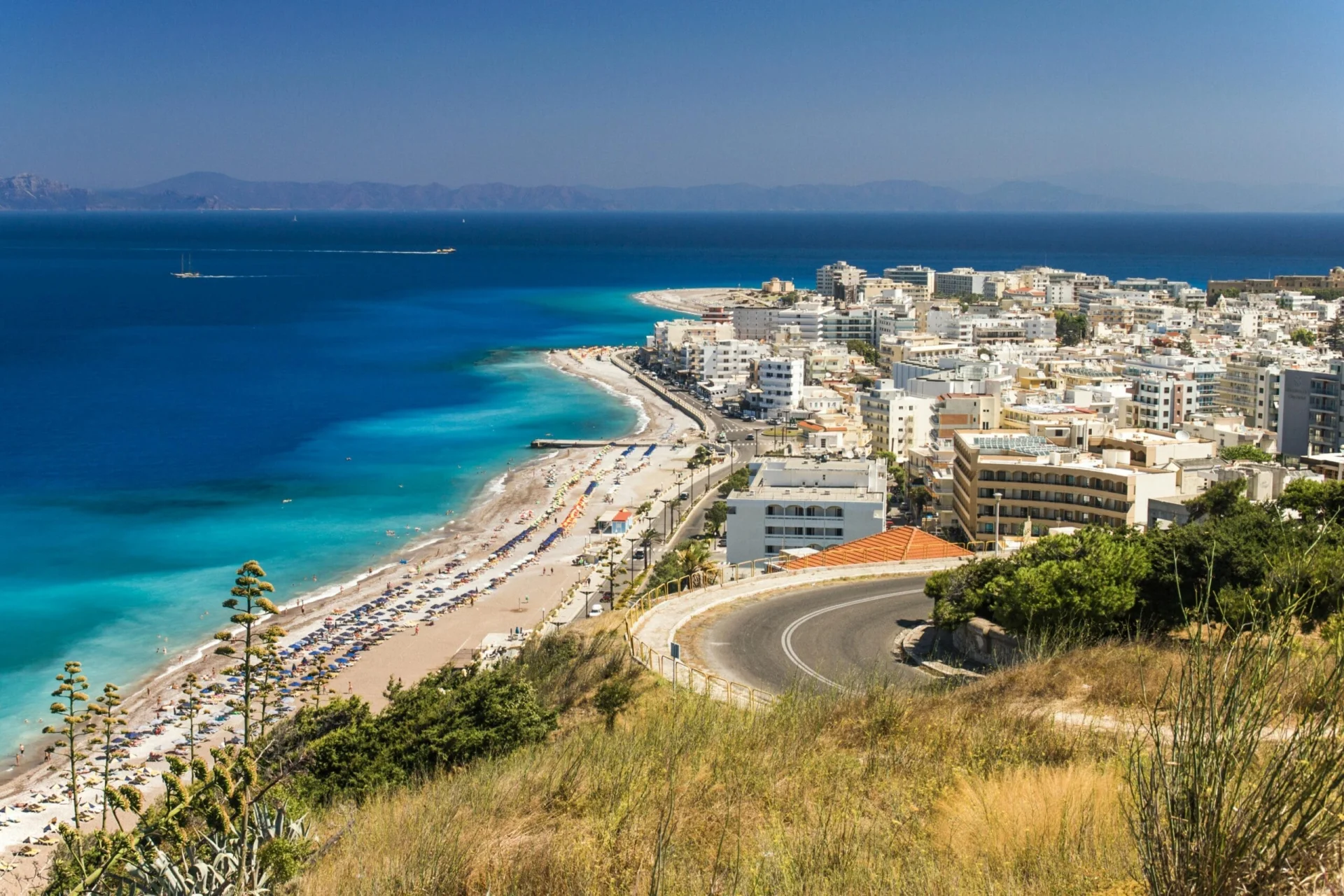
Rhodes, the largest of the Dodecanese islands in the Aegean Sea, is a destination that offers visitors much more than a typical Greek beach holiday. It is an island where ancient ruins meet monumental medieval architecture and where sun-drenched beaches alternate with green hinterlands and picturesque villages.
Rhodes is ideal for those who want to combine relaxation with an intense exploration of history and culture. You can wander through the labyrinthine streets of the Old Town of Rhodes (a UNESCO World Heritage Site), admire the acropolis of Lindos, and the very next day surf at the southern tip of Prasonisi. It is this diversity of regions and experiences - from the lively north to the calm and authentic south - that makes Rhodes one of the most popular Greek destinations.
Did you know that: Although the Colossus of Rhodes, one of the Seven Wonders of the Ancient World, has not survived, its historical significance is so great that the very history of the island shaped the history of the entire Mediterranean?
History island
The history of Rhodes is an epic full of clashes, influences and cultural changes that shaped its present form. The first settlement dates back to the Neolithic period, but the island experienced its key flowering in antiquity. Ancient Rhodes was an important trade and maritime center, made famous in the 3rd century BC by the colossal bronze Colossus of Rhodes, guarding the port.
After the Roman and Byzantine eras, the most important period in the history of the island for its current architecture occurred. In 1309, Rhodes became the seat of the knight order of the Johannites (knights of St. John). The knights turned the island into an impregnable fortress and their rule lasted over two hundred years. They built massive fortifications and the Palace of the Grand Masters, which today form the dominant feature of the capital and are testimony to their key role in the defense of Christian Europe.
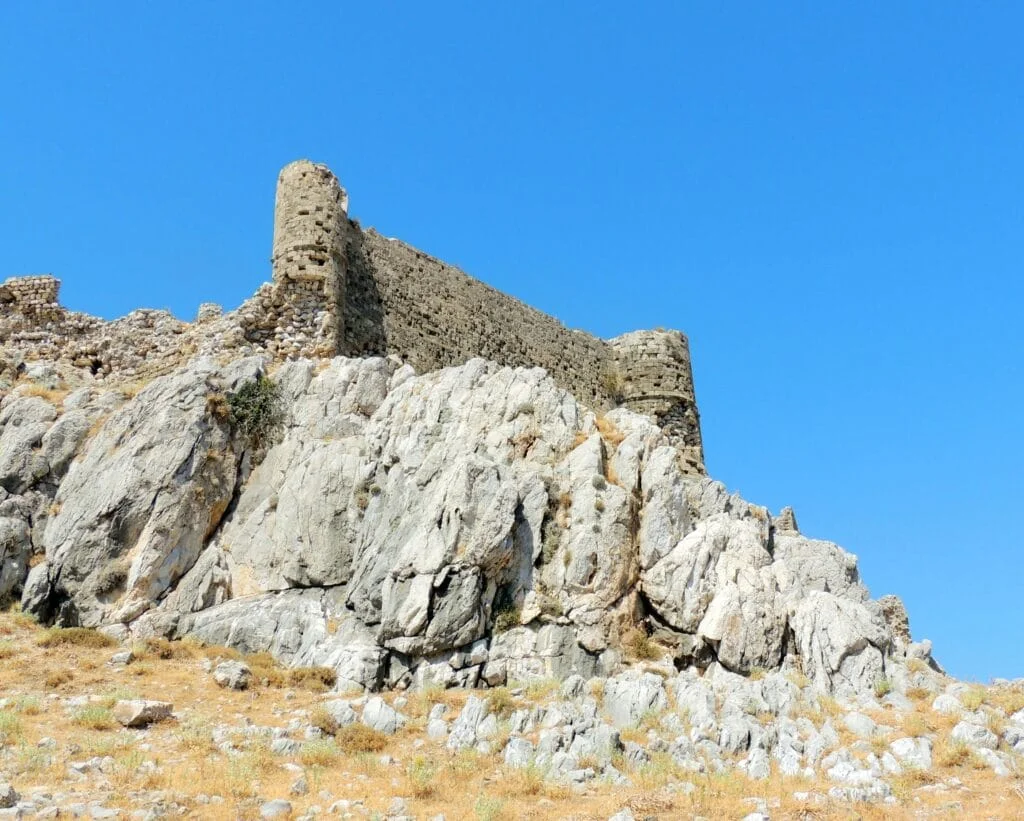
In 1522, the Ottoman Empire conquered the island, which ruled here for almost four centuries and left behind mosques, spas and a specific atmosphere. After the Italian-Turkish war, Rhodes came under Italian rule (1912–1947). The Italians invested heavily in infrastructure, restoring medieval monuments (often with romanticized modifications such as the Palace of the Grand Masters) and constructing modern buildings in the Aegean style. The island was united with Greece only in 1947, after the end of the Second World War. Understanding these three eras - Chivalric, Ottoman and Italian - is essential to understanding the culture and architecture of Rhodes.
Location, Geography and Climate
Location and Geography
Rhodes is located in the south-eastern part of the Aegean Sea, just off the Turkish coast (about 18 km). It is the largest of the Dodecanese Islands and overall the fourth largest Greek island with an area of approximately 1400 km². The island has an elongated shape, it is about 78 km long and 35 km wide.
Geographically, it is divided into several zones. On the northern tip lies the capital city of Rhodes, the center of culture and tourism. The interior is mountainous and green, dominated by the highest mountain Attavyros (1215 m). The coast of the island is diverse:
- East coast: Calm, with a gentle entrance to the sea, ideal for swimming and families. Here you will find the most famous beaches.
- West coast: Windier, with wilder landscapes and stronger waves, suitable for water sports and those looking for tranquility and authenticity.
Climate and weather for travelers
Rhodes enjoys a typical Mediterranean climate characterized by hot, dry summers and mild, humid winters.
Best time to visit:
- May and October: Ideal for sightseeing holidays, hiking and cycling. The temperatures are pleasant, less people and the sea is already (or still) warm.
- June and September: Perfect for a classic beach holiday. The water is warm, the sun is shining, but the heat is not as extreme as in the high season.
- July and August: High season, peak heat (often over 35 °C). Great for heat and nightlife lovers, but expect the most tourists and the highest prices.
| Season | Typical Weather/Temperature (Description) |
|---|---|
| Spring (April-May) | Pleasant temperatures (20-25 °C), blooming landscape, ideal for tourism. The sea gradually warms up. |
| Summer (June-September) | Hot and sunny days (28-35+ °C), almost no precipitation. Ideal for beaches and swimming. |
| Autumn (October-November) | Warm sea, moderate temperatures (20-25 °C). Occasional showers at the end of the season. Calmer atmosphere. |
| Winter (December–March) | Mild cold (10–18 °C), most precipitation. Most tourist facilities are closed. |
Weather and when to go
If you are interested in specific values, here is an overview of average temperatures to help you with your final vacation planning.
| Month | Average daytime temperature (°C) | Average nighttime temperature (°C) | Sea temperature (°C) | |
|---|---|---|---|---|
| January | 15 | 10 | 17 | |
| February | 15 | 10 | 16< /td> | |
| March | 17 | 11 | 16 | |
| April | 20< /strong> | 13 | 17 | |
| May | 24 | 17 | 19 | |
| June | 28 | g>August31 | 24 | 25 |
| October | 25 | 18 | 22 | |
| Letter fall | 20 | 15 | 20 | |
| December | 17 | 12 | 18 |
Regions and types of destinations
Rhodes is an island of contrasts where every traveler will find something for himself. The regions differ in style, climate and focus.
Rhodes (City) and the Northern Cape
The northern tip of the island is home to the capital, which is the cultural and social center. It is ideal for those who love history, nightlife and like everything close at hand. Here you will find luxury hotels, casinos and two marinas.
East coast (Kalithea, Faliraki, Kolymbia, Lindos)
This side is the most developed for tourism. The coast here is calm, with sandy beaches and clear water, protected from strong winds. Faliraki is the center of entertainment and nightlife. Lindos is then an iconic, picturesque place with a historic acropolis and is a must-see for every visitor. This area is the best choice for families and those looking for a classic vacation.
West coast (Ialyssos, Kritinia, Monolithos)
An area with authentic an atmosphere that maintains its traditional character. It is windier and the sea is rougher, making it popular with surfers and sailors. You'll find fewer resorts here, but more historic ruins and quiet mountain villages. It is ideal for travelers who crave peace and discovery.
Southern tip (Prasonisi)
A unique area in the very south of the island, where two seas (Mediterranean and Aegean) meet. At low tide, it forms a narrow sandy isthmus. This place is a paradise for windsurfing and kitesurfing thanks to constant and strong winds.
Most famous sights and cities
Rhodes – Medieval City (UNESCO)
The capital of Rhodes is divided into a modern and a medieval part. The Old Town is surrounded by massive walls, which are among the best-preserved medieval fortifications in Europe. The Palace of Grandmasters is the most impressive building, formerly the seat of the Johannites, now a museum. The entire Old Town is a labyrinth of cobbled streets, where Gothic, Byzantine and Ottoman elements alternate. It is an absolute historical gem that you must not miss.
Lindos and the Acropolis
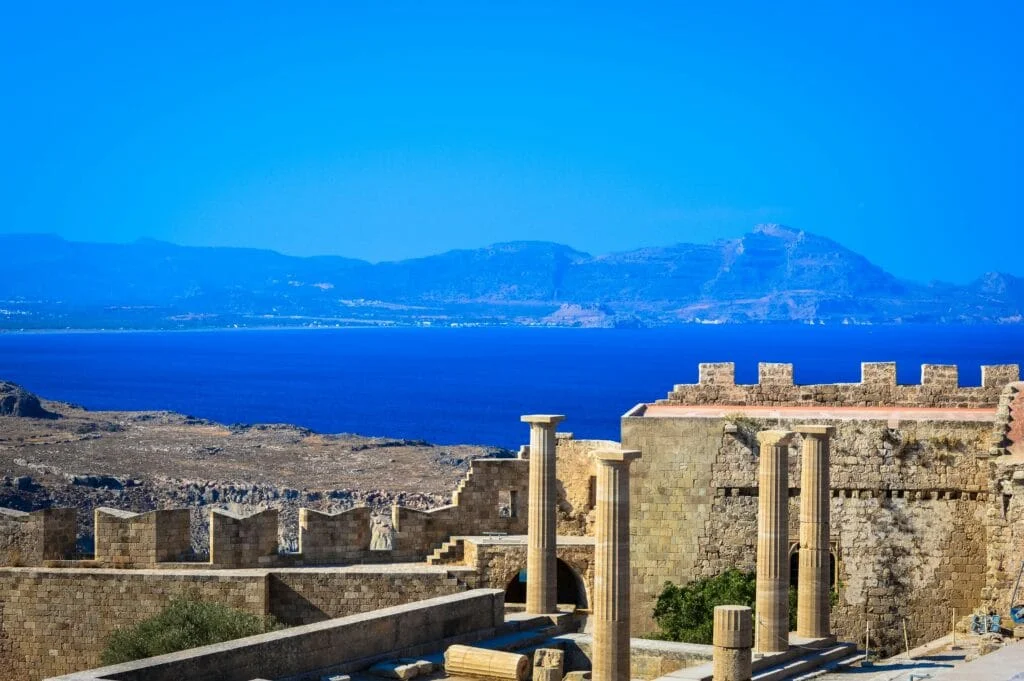
Lindos is the most photogenic place on the island. It features a collection of white-plastered houses sloping down to a turquoise bay. The ancient Acropolis rises above the city, which served as a sacred place for the Dorians, Romans, Byzantines and knights. Views from above of Lindos, the bay of St. Paul and the surrounding landscape are breathtaking.
Monolithos
The westernmost part of the island, dominated by a rocky promontory on which stands the Venetian fortress. Although the Monolithos fortress is only in ruins, its position on the cliff provides stunning views of the west coast and the setting sun. It is the ideal place for a romantic end to the day.
Natural beauties and national parks
Valley of Butterflies (Petaloudes)
A unique nature reserve that is home to a rare species of butterfly (Panaxia quadripunctaria). From June to September, thousands of butterflies gather here in a dense valley with streams and waterfalls. It's a quiet, cool oasis in the hot summer, but it's important not to disturb the butterflies with loud noises so they can rest.
Seven Springs (Epta Piges)
A refreshing, green place inland near Kolymbia. Springs rise here and feed the artificial lake. The main attraction is passing through a dark tunnel (about 180 m long) with cold water that leads to the lake. It's a popular stop to escape the summer heat.
Mount Attavyros
The highest mountain on the island, located in the west. It is an ideal destination for tourism and offers breathtaking panoramic views of the whole of Rhodes and the surrounding islands.
Best beaches
Rhodes is famous for its beaches. Whether you're looking for golden sand or a quiet cove, you'll find both.
Tsambika Beach: One of the best sandy beaches on the island. Long, wide and with a gradual entry into the crystal clear sea. It is perfect for families with children. A mountain with a monastery rises above the beach, which is worth a short hike.
Anthony Quinn Bay (Ladiko): A small, rocky and incredibly scenic bay named after the famous actor. It is ideal for snorkeling and diving thanks to its rich underwater life and emerald water. The place is small, so we recommend arriving early.
Prasonisi: A unique sandy isthmus at the southern tip where the Aegean and Mediterranean meet. There are waves on one side, calm water on the other. It is a world famous location for kitesurfing and windsurfing.
Kallithea Springs: Historic spa built in Italian style (renovated today). Although it is not a typical beach, the coves around the spa are small but with exceptionally clear water and a luxurious environment, ideal for relaxation and beautiful photos.
Activities and entertainment
Rhodes offers a wide range of activities for all types of travelers. Renting a car and exploring the hinterland should come first. The roads are in good condition and allow for flexible exploration.
Water sports: Scooters, parasailing and paddle boarding are available at many beaches (Faliraki, Ialyssos). Prasonisi is a center for all types of surfing.
Hiking and cycling: You can go hiking in the Attavyros mountains or go for a walk in the Petaloudes valley. Trails lead to old castles and abandoned monasteries.
Cultural events and festivals: Especially in summer, various music and theater festivals are held in the capital and Lindos. Also important are the religious festivals (panigiri) in the villages, which offer an authentic Greek experience.
Nightlife: The center of entertainment is Faliraki, which offers a number of bars and clubs. A slightly more sophisticated but still lively nightlife can be found in the Old Town of Rhodes.
Key practical information
Currency and payments
The currency is the euro (€). Payment by card (Visa, MasterCard) is common in most hotels, larger restaurants and shops in cities and major tourist areas. However, it is still a good idea to have cash with you in smaller taverns inland or in more remote locations. ATMs are available in all larger municipalities. A tip of 5-10% is expected in restaurants and bars.
Entry formalities and visas
Rhodes is part of Greece and the Schengen area. For EU/EEA citizens, a valid ID card or passport is enough to travel. No visas are required. We recommend checking the validity of the document (min. 3 months after the expected end of the stay).
Safety and local customs
Rhodes is a very safe destination. Petty theft is rather rare, but it is still good to exercise basic caution (e.g. in the crowded Old Town). Greeks are very hospitable (philoxenia), but they are known for their calm approach to life (siga-siga – slowly, slowly), which you should accept. When visiting churches and monasteries, decent clothing is required (shoulders and knees covered).
Health care and vaccinations
Health care is at a good level in Greece. For EU citizens, it is recommended to carry a European Health Insurance Card (EHIC). Nevertheless, it is necessary to take out travel insurance, which will also cover the possible costs of repatriation or treatment in private facilities. No mandatory vaccinations are required. In the summer, take care of sufficient hydration and sun protection.
Fauna and flora
Rhodes is the only place in Greece with an endemic species of deer, called the Rhodian deer (Dama dama), which is the symbol of the island (you can find statues in Mandraki port). The flora is typical Mediterranean macchie (shrubby vegetation), olive trees, citrus and eucalyptus. In the Valley of Butterflies there is a unique butterfly Rhodesian yellowtail.
Basic vocabulary
| Czech phrase | Translation (Greek pronunciation) |
|---|---|
| Good day | Kaliméra (through day), Kalispéra (evening) |
| Thank you | Efcharistó |
| Please (when served/invited) | Parakaló |
| Yes / No | No / Óchi |
| Na cheers! | Jamas! |
| How much does it cost? | Póso buzzard? |
| I don't understand | Katalavéno day |
Transport and logistics
How to get to Rhodes
By air: The main entry point is Rodos Diagoras International Airport (RHO), located about 14 km southwest of the capital. In season, there are a number of direct charter flights from all over Europe, including the Czech Republic.
By ferry: Ferries connect Rhodes with the Athenian port of Piraeus (the voyage takes a long time - approx. 15-20 hours) and with other Dodecanese islands such as Kos, Patmos and Symi. There is also a connection with Turkey (Marmaris).
Transport in the country
Car rental: To explore the island, car rental is the best and most convenient option. Roads are generally in good condition and rentals are cheap. Tips: Have full insurance and parking in the historic Old Town of Rhodes is difficult and paid.
Buses (KTEL): The island has a well-functioning KTEL bus network that connects the main town with most tourist resorts and villages. It is a cheap and reliable mode of transport, suitable for those who do not want to worry about driving.
Taxis: They are available in major cities and at the airport. Prices are higher, but for shorter distances and transfers are convenient.
Gastronomy and culture
Typical food and drink
Greek and Rhodian cuisine is based on fresh ingredients, olive oil, herbs and fresh meat or fish.
Typical dishes you must try include:
- Mezes: Small appetizers served with ouzo or wine, similar to Spanish tapas. These include tzatziki, dolmades (vine leaves), feta cheese.
- Souvlaki and Gyros: Grilled meat on a skewer (Souvlaki) or sliced from a rotisserie (Gyros). They are a popular fast food.
- Mousaka: A classic Greek baked delicacy of eggplant, minced meat and béchamel sauce.
- Fresh fish and seafood: The fresh catch of the day is especially worth trying in the port taverns.
Dining tips: Dinner is served in Greece late, usually after 9pm. Lunch tends to be smaller. In taverns, it is customary to order several dishes and share them with each other (so-called family style). Don't forget to try the local wine or the Suma spirit, which is the Rhodesian version of rakia.
Cultural customs and festivals
Greek culture is deeply rooted in orthodox Christianity. The most important holiday is Orthodox Easter, which is celebrated with great pomp. It is also important to observe the customs of hospitality (filoxenia), when a guest is considered an honor. In the villages, the tradition of panigiria is observed - folk festivals associated with patron saint holidays, where people dance, eat and drink until the morning. Many traditional crafts, such as pottery, are still maintained in Lindos and other villages.
Prices and travel budget
Rhodes is one of the more touristic and slightly more expensive Greek islands, but still offers options for all budgets.
Low-budget travel (€50-€80 per day):
Accommodation in cheap apartments or hostels, meals in gyro shops and street businesses (gyros for €3–€5), use of bus transport. You rely on your own snacks and freely accessible beaches.
Mid-budget (€100-€180 per day):
Accommodation in a 3-4 star hotel with breakfast or in a quality AirBnB, daily car rental for part of the stay, dinner in typical taverns (approx. €20-€30/person), visiting the main sights.
Luxury travel (€250+ per day):
Accommodation in 5 star resort, all-inclusive, private transfers, dinners at expensive seafood restaurants, yacht charter or private tours.
Recommendations where to pay extra: It is definitely worth paying extra for a sea view hotel (especially in Lindos or Old Town) and car rental if you plan to explore the more remote west coast and inland.
How to plan an ideal trip
Choosing a region according to the type of traveler
- Families with children and seniors: East coast (Tsambika, Kolymbia) – calm sea, sandy beaches, gradual entry into the water.
- Young people and lovers of nightlife: Faliraki and the modern part of Rhodes - entertainment, bars, clubs.
- History and culture lovers: Old town of Rhodes, Lindos – possibility to wander with sights and night atmosphere.
- Adventurers and sportsmen: Prasonisi (surfing), West coast (hiking, calmer sea).
- Couples and romantics: Lindos and its surroundings (small boutique hotels, beautiful bays).
What to do be careful when planning
Booking in advance: Especially in high season (July-August), book accommodation and flights well in advance as the best places fill up quickly.
Typical mistakes: Relying only on public transport. Rhodes is too big and diverse, so without a car you will only see a fraction of the island.
Myths: Rhodes is not just a noisy and busy place. Head just a few kilometers inland or on the west coast and you'll find complete tranquility and authenticity.
Sample itinerary: A weekly mix of History and Beaches
Days 1-3: Historic Center and Northern Beaches (Rhodos Town)
Arrival, visit Palace of the Grand Masters and Medieval Old Town, shopping and dinner at Mandraki Port. Second day rest at Kalithea Springs or near Faliraki.
Days 4-5: Scenic beauty and southeast (Lindos and surroundings)
Crossing south (Lindos), visiting Acropolis of Lindos, swimming in the bay of St. Pavla, relaxing on Tsambika Beach.
Days 6-7: Nature and Authenticity (West and Inland)
Car rental, sunset trip to Monolithos, visit to Butterfly Valley (if in season), wine tasting in the village of Embona, last dinner in the Old Town.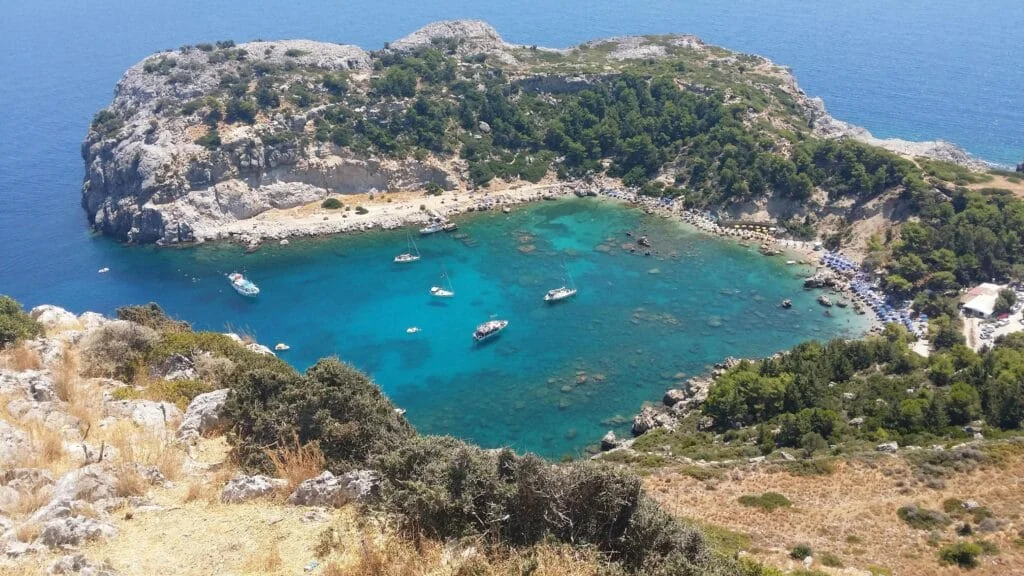
Summary and closing tip
Rhodes is an island that successfully intertwines more than 2000 years of history with modern tourist comfort. From the monumental knightly walls of the Old Town and the iconic Acropolis of Lindos to the golden sandy beaches of the east, it is the ideal destination for anyone looking for a balanced holiday. The key attractions are rich history, diverse coastline and excellent Greek gastronomy.
When making your final decision, focus primarily on the right choice of base. If you want a lively atmosphere and sights, choose the north. If you are looking for peace, choose accommodation in villages inland or in the quieter west. The main tip remains: rent a car and don't limit yourself to just one resort. Only then will you get to know the true face of Rhodes and discover hidden beaches and authentic taverns, far from the main tourist stream. Whichever region you choose, the main thing is that Rhodes serves you well for relaxation, discovery and unforgettable Mediterranean experiences.
Kategorie:
Similar Articles
Recommended Retailers






Popular Brands