Washer fluid: The complete guide to safe driving
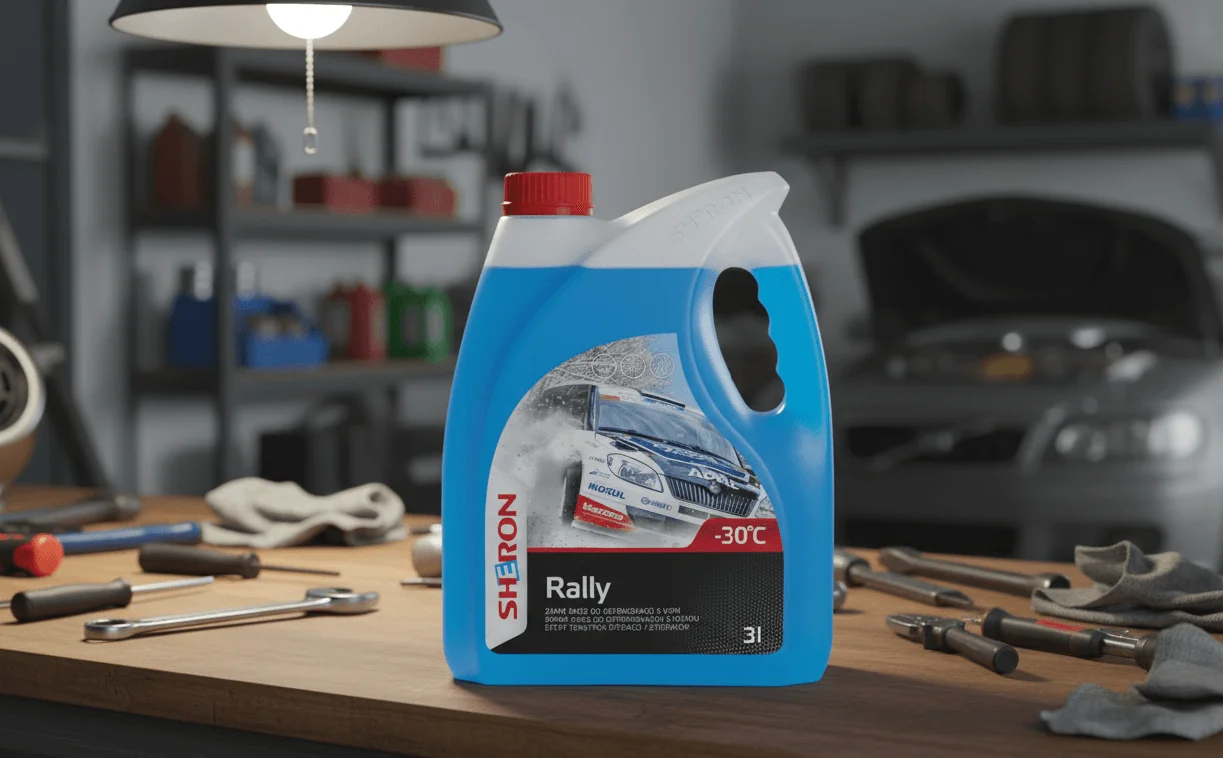
Washer fluid is not just a colored liquid, but an essential element of active safety for any vehicle. Many drivers underestimate its selection, while it determines how well you can see on the road at critical moments. A clean windshield is the absolute basis for a good view, quick reactions and, ultimately, a safe drive for you and your fellow passengers. Thus, underestimating the choice of the correct fluid can have not only practical, but also serious safety consequences. For example, did you know that driving with an empty washer reservoir can be fined in some countries as driving with a vehicle in a technically unfit condition?
Types and variants: Summer, winter or year-round?
There are several basic types of fluids on the market, each designed for specific conditions. The right choice depends mainly on the time of year and the climatic conditions in which you are moving.
Summer mixes
These mixtures are designed for temperatures above freezing. Their composition is specially developed for the effective removal of organic impurities such as insect remains, pollen, dust and bird droppings. They do not contain antifreeze components and are therefore completely unsuitable in winter.
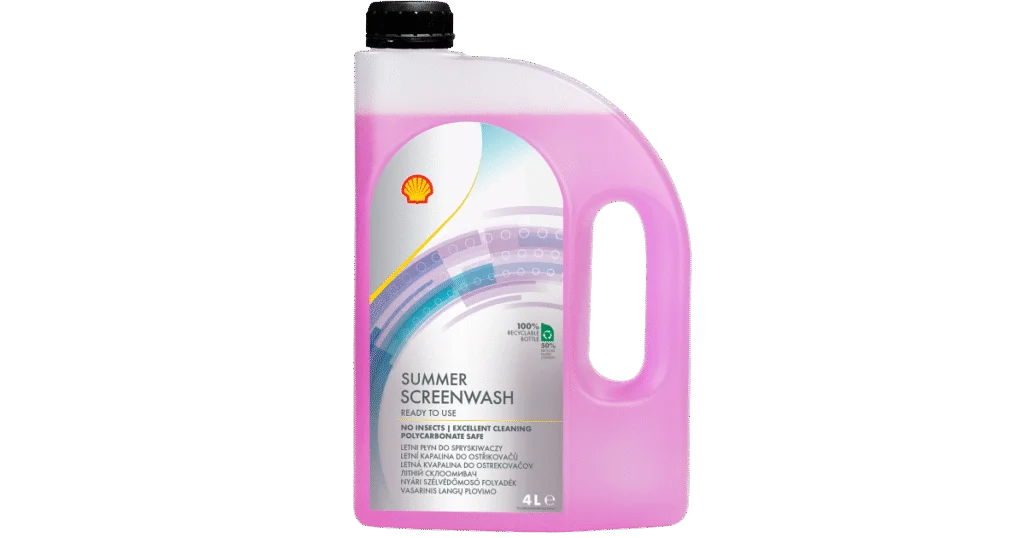
They are an ideal choice for all drivers in the warm months of the year, usually from spring to autumn, who are dealing with specific summer impurities. Their advantage is an excellent cleaning effect on insects and pollen and usually a lower price. The disadvantage is that they freeze immediately at temperatures below 0 °C.
Winter mixes
A key feature of winter mixes is their low freezing point, which ranges from -20°C to an extreme -80°C for concentrated varieties. They contain a high proportion of alcohols (most often ethanol or isopropanol), which prevent the liquid from freezing in the container, tubes and on the glass itself. It effectively copes with salt, slush and other typical winter dirt.
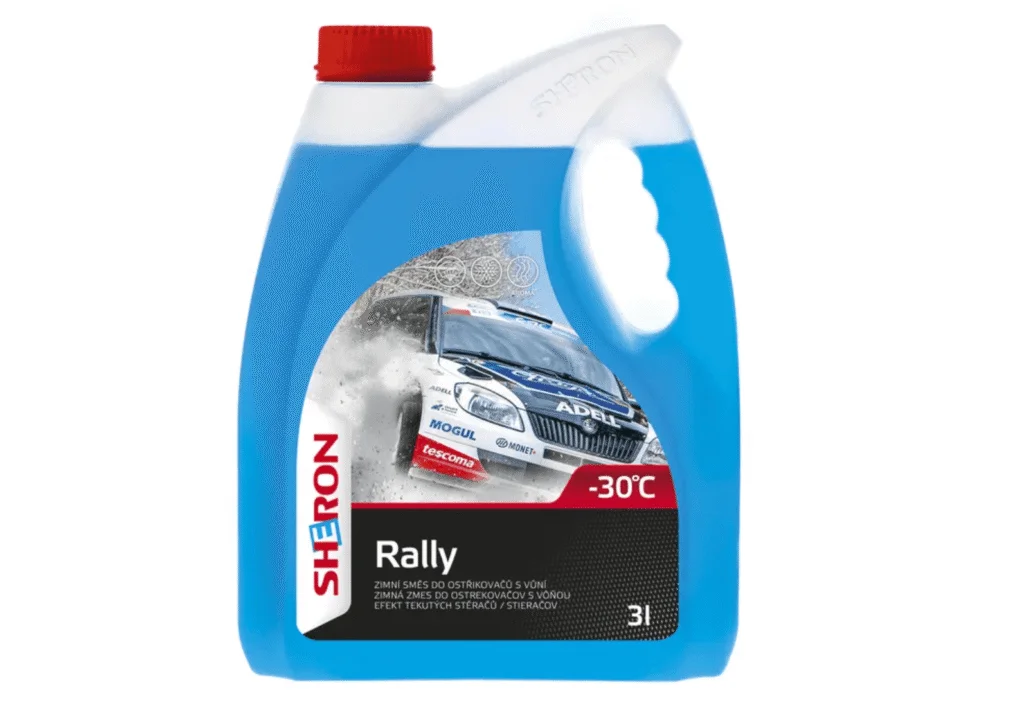
They are an absolute must for all winter drivers as soon as outside temperatures start to drop below 5°C. Their main advantage is frost resistance and good cleaning properties for salt and winter dirt. The disadvantage may be a higher price due to the alcohol content and a slightly worse effectiveness on dried insects in the summer.
Year-round mixes
They represent a compromise between summer and winter variants. Their freezing point is usually between -5 °C and -10 °C. At the same time, they contain components for removing insects, but their effectiveness is not as high as that of specialized summer mixtures.
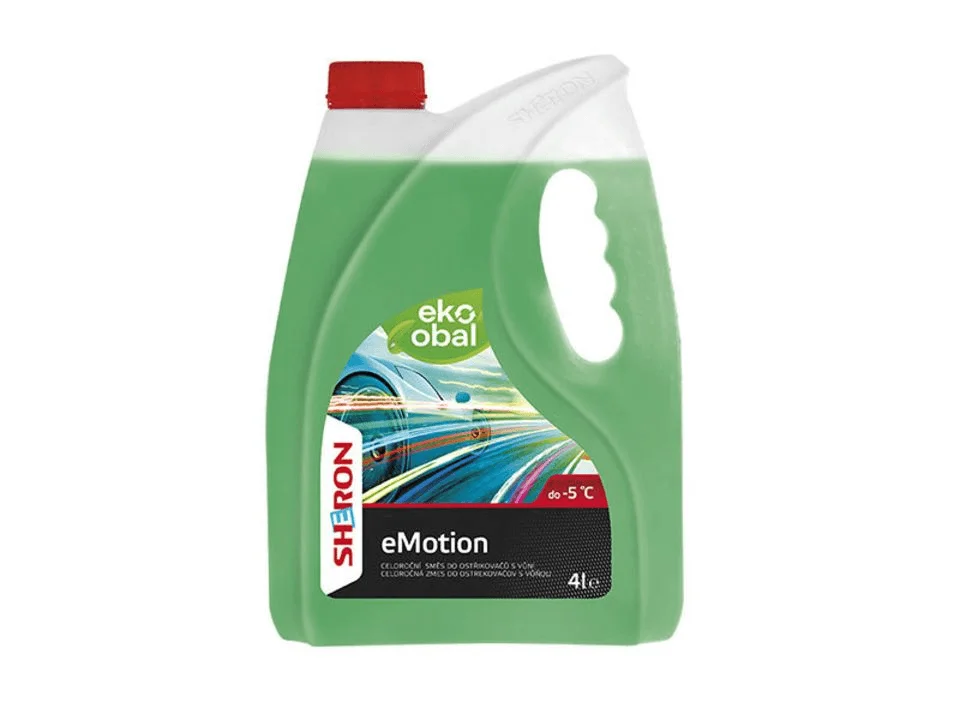
They are suitable for drivers in areas with mild winters without severe frosts, or for those who do not want to deal with seasonal fluid changes and drive less. The advantage is their universality, which eliminates the need for seasonal replacement. The disadvantage is that it may not be enough in severe frosts and may not be 100% effective against insects in summer.
Concentrates vs. ready mixes
Ready-made mixtures are intended for direct use - just pour them into a container. Concentrates, on the other hand, must be diluted before use, ideally with distilled (demineralized) water, in the ratio specified by the manufacturer. With this dilution, you can adjust the resulting freezing point yourself according to your current needs.
Concentrates are a more economical and more storable option for those who don't mind preparation. Ready mixes offer maximum convenience and speed.
Did you know that some modern premium vehicles are equipped with heated washer nozzles, or even a system that heats the fluid itself just before the windshield is sprayed?
Key parameters when choosing
When buying washer fluid, focus on a few key features that determine its quality and usability.
Freezing point
This is the most important parameter for a winter and year-round mixture. It indicates the temperature at which the liquid freezes and becomes unusable. It is strongly recommended to choose a mixture with sufficient margin. If frosts around -10 °C are common in your area, go for a liquid with a freezing point of at least -20 °C. This will ensure the functionality of the system even in the event of a sudden drop in temperature or when driving at higher altitudes.
Cleaning capabilities
A quality liquid must not only wash the glass, but really clean it. Behind its abilities are surfactants and other active additives, which can effectively disrupt and remove grease, insect remains (in summer) and deposits of salt and dirt (in winter). Low-quality and cheap compounds often only smear dirt on the glass, which creates dangerous reflections and streaks in the dark against the lights of oncoming cars.
Careful with materials
Modern cars are full of sensitive materials. A good washer compound must not damage body paint, rubber window seals, wiper blades or polycarbonate headlight covers. Cheap and aggressive liquids based on low-quality alcohols can etch these surfaces, cause them to become brittle, fade or leave permanent stains on them.
Scent
Although it may seem like a detail, fragrance is a parameter that should not be underestimated. The vapors from the washers penetrate the ventilation system directly into the vehicle cabin. A too strong, penetrating and chemical smell can be very unpleasant during a long drive and cause headaches. Reputable manufacturers choose soft and unobtrusive scents, often based on citrus or sea freshness.
What does the mixture consist of and how does it work?
The composition of washer fluids is a carefully designed chemical cocktail where each component has its irreplaceable role.
- Water: Makes up the bulk of the liquid. demineralized (distilled) water should always be used, which, unlike tap water, does not contain minerals. Otherwise, they could clog and clog the fine nozzles of the washers with scale.
- Alcohol (Ethanol, Isopropanol): It is a key component of winter mixtures, where it performs an antifreeze function. A simple equation applies: the higher the percentage of alcohol, the lower the freezing point of the liquid.
- Glycols: These substances are added to improve properties. They slow down the rapid evaporation of alcohol from the surface of the glass (which prevents the so-called "cold shock" and re-freezing) and at the same time improve the lubrication of the squeegees and the overall cleaning effect.
- Surfactants (Detergents): They are active cleaning agents that work on a similar principle to soap. It surrounds particles of grease and dirt, separates them from the glass and allows them to be easily wiped off.
- Dye and perfumes: Dye serves to visually differentiate individual types (typically blue for winter, pink, green or yellow for summer) and perfume increases user comfort.
How to choose correctly and what to watch out for
To avoid problems and unnecessary costs, stick to some practical advice when buying.
Go with the season, not the price
The biggest mistake is using a summer mixture in winter. This inevitably leads to fluid freezing throughout the system. In the best case, you will only have a non-functioning washing machine. In the worst case, the ice can tear the container, hoses or damage the expensive washer pump, which can be expensive to replace.
How to properly dilute the concentrate?
always use distilled water when diluting the concentrate. Tap water contains dissolved minerals that settle over time and reliably clog the fine washer nozzles. Carefully follow the dilution ratio indicated on the package to achieve the desired frost resistance. For example: to achieve a freezing point of -20 °C the ratio may be 1:1, while for -8 °C it will be 1:2.
Beware of suspiciously cheap products
Extremely cheap, often no-name compounds can pose a risk. The reason for the low price may be the content of toxic methanol, which is banned in the EU for sale to the public at concentrations of 0.6% and above. Methanol is not only harmful to health when inhaling fumes in the cabin, but it can also be aggressive to paintwork, plastics and rubber seals. Investing in a proven brand is an investment in the safety and protection of your car.
Prices and budget: How much to pay for quality?
Prices vary by manufacturer, package volume, composition and, of course, freezing point. For a better orientation, we present the approximate price range converted to 1 liter of the finished mixture.
| Price category (for 1 liter of finished mixture) | What to expect |
|---|---|
| Low (up to £1/l) | Basic products, often sold in large packages. For winter mixtures, basic frost resistance (usually -20 °C) must be taken into account. The smell can be more pungent and chemical. There is a higher risk of using cheaper raw materials. |
| Medium (£25-£2/l) | The gold standard. Proven brands (e.g. Sheron, Coyote, Carlson), reliable and guaranteed freezing point, very good cleaning abilities and guaranteed care for paint, rubber and plastics. |
| High (over £2/l) | Premium products (e.g. Sonax, Auto Finesse) with special additives, for example with a hydrophobic effect (so-called "liquid wipers") that repel water. They offer maximum cleaning power, a pleasant and non-obtrusive smell and complete care for sensitive materials. |
Summary and final tip
When choosing water for the washers, think primarily about the time of year and in winter choose a mixture with a sufficient reserve of freezing point. Don't skimp on quality, as a cheap, low-quality compound can ultimately damage your vehicle or, worse, fatally impair your visibility in an emergency.
Whether you go for a convenient ready mix or a more economical concentrate, the key is always to adapt your selection to the current conditions. This is the only way to ensure perfectly clean glass and safe driving in any weather.
Frequently asked questions and answers (FAQ)
Can I mix summer and winter mixture in the washers?
Yes, chemically mixing is possible. However, it must be taken into account that the properties of the resulting mixture will change significantly. When you add winter liquid to the remains of summer liquid, you dilute it and reduce its frost resistance. The resulting freezing point cannot be estimated. In transitional periods this may not be a problem, but before the arrival of severe frosts it is best to completely drain the summer mixture and replace it with pure winter liquid.
What happens if I use summer mix in winter?
Once the temperature drops below freezing, the summer mixture freezes throughout the system. The increasing volume of ice can cause serious and costly damage: a ruptured fluid reservoir, ruptured hoses, or destroyed washer pumps. In addition to damaging the car, it is above all a huge safety risk. Malfunctioning washers can completely blind you at a critical moment and make it impossible to continue driving.
Why shouldn't I use spring water instead of the original liquid?
This "homemade" mixture is completely unsuitable for several reasons. Dish soaps are extremely foamy, which can overwhelm the system and leave only foam with minimal cleaning effect on the glass. The composition of these products is not designed for cars and can be aggressive towards paintwork, plastics and rubber wiper blades, which then harden and wipe poorly. Last but not least, ordinary water freezes in winter, and limescale from it can clog nozzles for a long time.
Kategorie:

Recommended Retailers






Popular Brands