What is the difference between paving and tiling?
Before diving into the technical details, it is crucial to clearly define what exactly each term means. Although they may seem similar, their purpose and properties are fundamentally different.
What is a poultice?
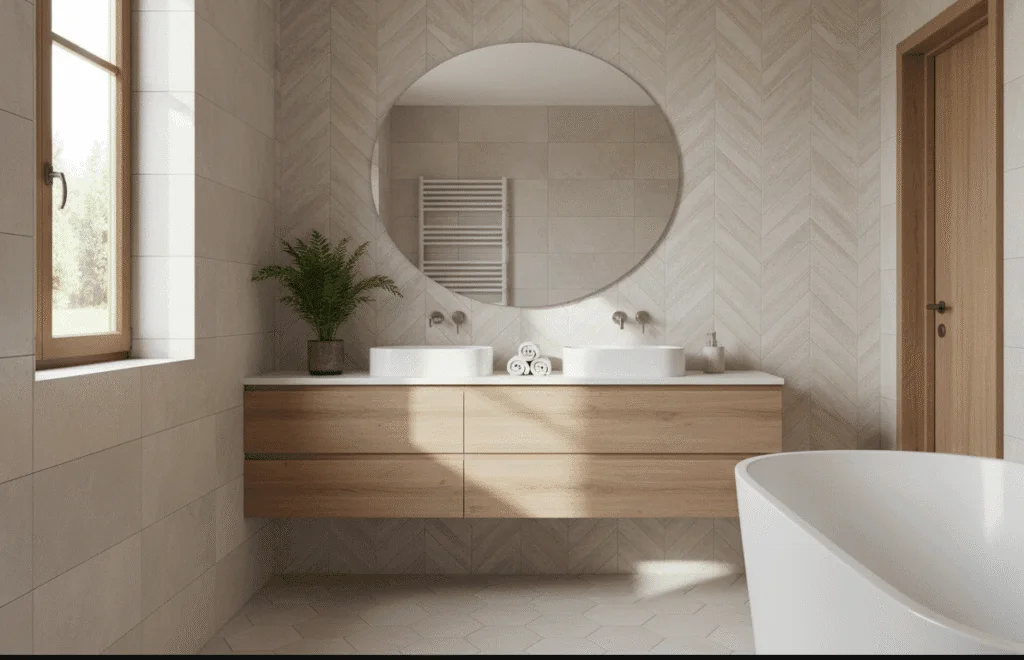
A tile, often referred to as a tile, is a ceramic element designed exclusively for vertical surfaces, i.e. walls. Its shard (base material) is lighter and more porous, which means it has higher absorbency. It is not designed to withstand high mechanical stress such as walking, and its surface has lower abrasion resistance. It primarily fulfills the aesthetic and protective function of walls in interiors.
What is paving?
Tile, on the other hand, is a more robust and durable ceramic element, which is primarily intended for laying on floors. Due to the denser and less absorbent shard, it is much more resistant to mechanical load, abrasion and pressure. It meets stricter technical standards for strength, abrasion resistance and often anti-slip. Thanks to these properties, the tiles can also be used as a wall covering without any problems.
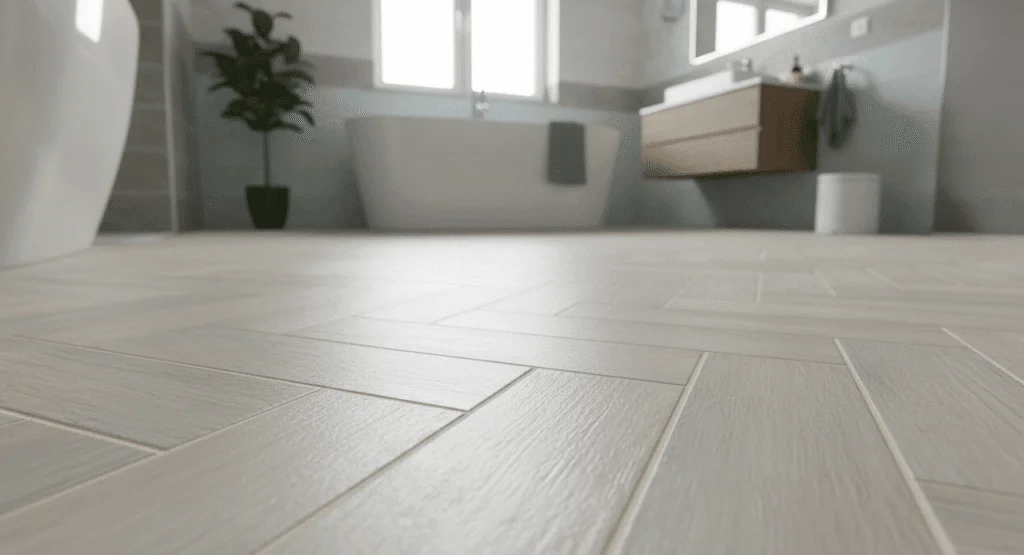
A practical lesson says: "What is intended for the floor can go on the wall. What is intended for the wall cannot be used for the floor." This simple rule will help you avoid major mistakes when choosing a material.
The basic difference between paving and tiling or why they cannot be confused
The main and most fundamental difference is the fact that tiles can be used both on the floor and on the wall, while tiling is intended exclusively for walls. The reason is the different technical properties of the materials, especially strength and resistance to wear. Simply put, the tile is not designed to withstand foot traffic and may crack.
Key technical features that distinguish paving from tiling
When choosing, it is necessary to focus on several technical parameters that define the use and durability of the material. These properties are essential to understanding why paving is more robust than cladding.
Absorption, or water absorption, is one of the most important parameters. It indicates how much water the material is able to absorb. Tiles, especially those intended for exterior use, must have low absorption (ideally below 0.5% for sintered tiles) in order to be frost-resistant.
Materials intended for outdoor use must be frost-resistant, which means they have an absorption below 3%, and are marked with a snowflake icon. Tiles generally have a higher absorbency and are not frost-resistant, so they are only suitable for interior use.
Abrasion resistance, denoted by the PEI scale (from I to V), determines the wear resistance of the glazed surface. This parameter is key especially for paving, which is mechanically stressed by walking.
- PEI I and II: Suitable for walls (tiles) or floors with minimal load where soft shoes are used (e.g. bathrooms, toilets).
- PEI III: For floors in residential areas without direct access from outside (e.g. living rooms, corridors).
- PEI IV: For floors with increased load, including entrance areas and kitchens.
- PEI V: For extremely busy areas such as shops, restaurants and public halls.
Hardness is measured on a scale from 1 to 10 and indicates the resistance of the surface against scratching. Quality tiles reach values of 6 to 9.
This parameter is especially important for paving in technical and heavily loaded areas such as garages. It determines what load the tile can resist without cracking.
Anti-slip is an essential safety parameter, especially in areas where there is a risk of contact with water, such as bathrooms, kitchens or outdoor terraces. It is marked with the letter R (R9 to R13), where a higher number means higher slip resistance.
Materials and design: The aesthetic side of choice
Although the technical parameters are essential, the appearance plays an equally important role in the selection. Modern technologies enable the production of tiles and wall coverings in a wide range of designs.
Ceramics is a classic and popular material for wall and floor tiles due to its durability and easy maintenance. Gres (sintered tiles) is a type of ceramic that is fired at higher temperatures, which makes it extremely durable, frost-resistant and has very low water absorption.
Natural stone (marble, granite) gives a luxurious look, but requires specific care. There are also other materials, such as wooden cladding, which are suitable almost exclusively for interior use and require careful maintenance.
Glazed tiles have a layer of colored glass on the surface, which gives them aesthetic properties such as color and shine. Unglazed tiles are colored over the entire thickness, so possible chipping is not as visible.
Kategorie:

Similar Articles
Recommended Retailers






Popular Brands