Do you know the difference between vitamin D2 and D3?

Vitamin D is one of the most discussed dietary supplements, and quite rightly so. Its role in the body is absolutely crucial – it affects practically every system, from immunity to bone health to our psychological well-being. It's no wonder it's nicknamed the "sunshine vitamin" because our body can make it on its own when exposed to sunlight.
Did you know that vitamin D is not actually a vitamin, but a prohormone that the body can create itself with the help of sunlight?
However, you will find two main forms on the market: vitamin D2 (ergocalciferol) and vitamin D3 (cholecalciferol). The two forms differ in their origin and efficacy. Therefore, choosing the right form of vitamin D is important for maximum benefit to your health. This detailed guide will help you find your way around and choose the best supplement for you.
Why vitamin D is important and how it works in the body
Vitamin D has a number of essential functions in the body. Its most important role is to regulate the level of calcium and phosphorus in the blood, which essentially contributes to maintaining healthy and strong bones and teeth. Without a sufficient amount of "kids", the body would not be able to effectively absorb calcium from food, which would lead to a weakening of the skeleton and the risk of osteoporosis.
In addition, it is essential for the optimal function of the immune system. It helps modulate the immune response and plays a role in the prevention of autoimmune diseases. Last but not least, it also affects the nervous system, regulates mood, and its deficiency is often associated with fatigue and a deteriorated mental state.
How does it all work? When our skin is exposed to sunlight (specifically UVB), it begins to naturally produce vitamin D3. Whether vitamin D is created in the skin or taken from food or supplements (D2 or D3), it travels to the liver and then to the kidneys, where it is converted into its biologically active form - calcitriol. Only in this form can it fulfill its tasks in the body.

Unfortunately, most of the population in our climate zone is severely deficient in vitamin D during the winter months when the sun is low on the horizon and its rays fall at the wrong angle. During this period, supplementation is almost a necessity, as we do not get the necessary amount from our diet.
Vitamin D2 vs. D3: Main differences
The basic difference between the two forms lies in their origin and biological effectiveness.
Vitamin D2 (Ergocalciferol)
This form is of vegetable origin. In nature, D2 is mainly found in mushrooms, especially those growing wild or specially cultivated and exposed to UV radiation. That is why mushrooms (e.g. mushrooms, shiitake) are considered one of the few natural plant sources of vitamin D, where the amount of D2 increases with exposure to the sun or UV light. In addition, D2 is often used to enrich foods (called fortification) - you can find it in plant-based milks, cereals or some juices, because it is cheaper to produce and suitable for vegans. For a long time it was the only available vegan option on the market.
However, studies consistently show that its ability to increase and maintain vitamin D levels in the blood is lower than D3.
Vitamin D3 (Cholecalciferol)
Vitamin D3 is the form that the body naturally makes from the sun and is therefore more natural to it. It is obtained from animal sources, for example from fish oil, egg yolks or most often from lanolin (fat from sheep's wool). Key studies confirm that D3 more effectively raises and maintains serum calcidiol levels (the storage form of vitamin D in the blood) for longer.
| Property | Vitamin D2 (Ergocalciferol) | Vitamin D3 (Cholecalciferol) |
|---|---|---|
| Origin | Plant (fungi, yeast). | Animal (lanolin, fish oil) and formation in the skin. |
| Efficiency and Availability | Less effective in raising blood D levels. | More natural and effective for the body. |
| Stability and durability | Less stable, shorter lifespan in the supplement. | A Stable form with a longer lifespan. |
| Suitability for vegans | Standard fit. | Standard D3 is not suitable, D3 from lichen is necessary. |
Key parameters when choosing a dietary supplement
There are several factors you should consider when making a purchase that will affect both the absorbability and effectiveness of the supplement.
Vitamin form
In general, vitamin D3 is the more recommended choice for most people due to its higher bioavailability and effectiveness. It mimics the natural process of vitamin D formation in the skin much better. You should only reach for D2 if you are a strict vegan and do not have access to quality vegan D3 from lichen. D3 is the clear choice for maximum health benefits.
Complement form
Choosing the form of the supplement is primarily about preference and ensuring the best possible absorption.
Drops (in oil): They usually represent the best form in terms of absorption. Vitamin D is fat soluble and when dissolved in a carrier oil (eg olive, coconut or MCT oil) is immediately ready for the body to absorb. The drops also allow for very easy and flexible dosing.
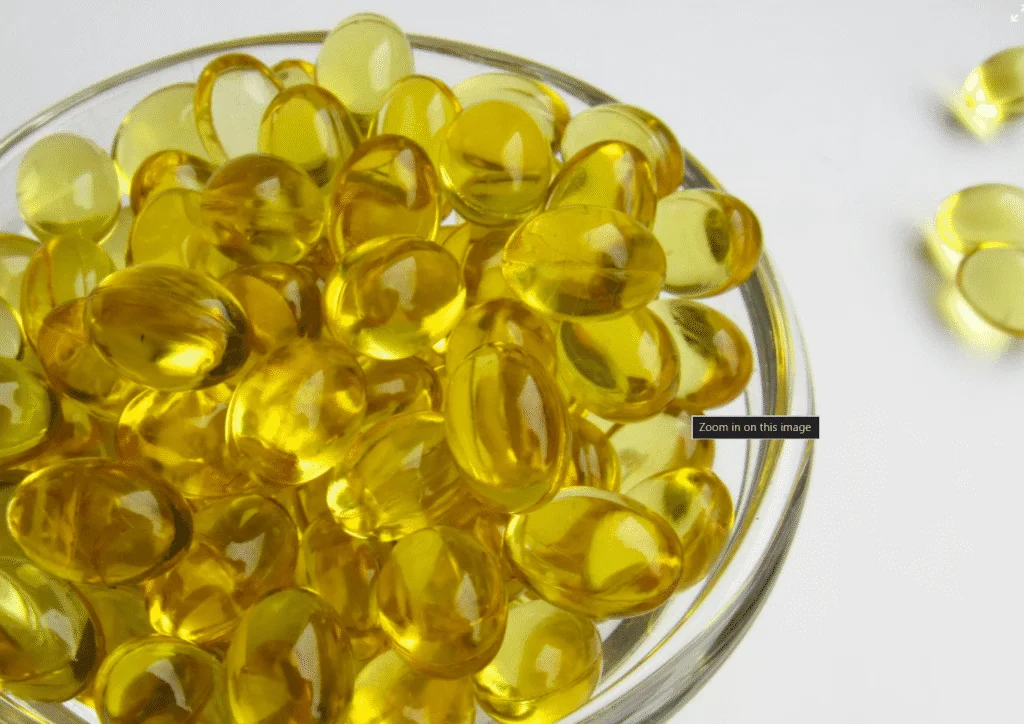
Capsules/Tablets: They are convenient to use, ensure a precise dose and are ideal for those who prefer quick and discreet use. However, always check the composition – tablets and cheaper capsules may contain unnecessary fillers and additives.
Spray: Offers easy application directly into the oral cavity. It is a great choice for people with difficulty swallowing capsules or for children.
Dosage (IU - International Units)
The dosage of vitamin D is given in international units (IU), where 1 μg corresponds to 40 IU. The dose should depend on your current condition and the time of year.
For preventive use, a dose of 1000-2000 IU per day is recommended for an adult, especially in the period from October to April. For therapeutic purposes, i.e. when a deficiency is detected, higher doses are given (e.g. 5000 IU and more), but these doses should always be consulted with a doctor and supported by a blood test.
How to choose the right vitamin D for you
The choice of supplement should take into account your age, lifestyle and dietary preferences.
For adults and seniors
We recommend vitamin D3 in a dose of 1000-2000 IU, ideally in the form of drops in oil, which guarantee the best absorption. In the elderly, vitamin D is of key importance for the prevention of osteoporosis and falls, which is why supplementation is particularly important.

For children and infants
For infants, supplementation is an absolute necessity and should be done according to the pediatrician's recommendations. The drops in oil form is recommended for children, as it is easy to dose into food or on a spoon and is gentle on digestion.
For vegans and vegetarians
If you follow a strictly plant-based diet, you have two options. Either you choose vitamin D2 from mushrooms, which is less effective. Or you reach for a modern and much more effective alternative - vegan vitamin D3 obtained from lichen extract. This form of D3 is biologically just as effective as the animal form.
For athletes and physically active people
Vitamin D is essential for athletes for muscle tissue regeneration, muscle function and maintaining strong immunity. Increased physical activity and load may require individually higher daily dosage, which should be based on blood tests.
Correct use, dosage and storage
In order to get the most out of the supplement, it is important to follow a few simple rules.
Vitamin D is fat-soluble (lipophilic), meaning it is best absorbed in the presence of fat. It should therefore be taken together with a main meal that contains fat (e.g. lunch or dinner), thereby increasing its absorption many times over.
Although the risk of overdose (hypercalcemia) is rare and occurs mainly in extremely high and long-term doses without medical supervision, it is crucial to follow the recommended dosage indicated on the package, or the dosage prescribed by the doctor. Elevated levels of vitamin D can lead to dangerous calcium deposits in soft tissues.
Store the accessories in a dry and dark place, at room temperature, out of direct sunlight and out of the reach of children. Improper storage, especially heat, can cause loss of effectiveness.
Conclusion
When comparing vitamin D2 and D3, for most people vitamin D3 is clearly the more effective and preferable choice because it can more effectively increase and maintain optimal blood levels. The key to successful supplementation is to choose the right form (D3), choose the appropriate dosage (preventive 1000-2000 IU daily) and always take the supplement with a meal containing fat to ensure maximum absorption. Today, there is a fully plant-based alternative for vegans in the form of highly effective D3 from lichen. The most important rule is regularity of use, especially in the period with a lack of sun, when we cannot do without it.
Frequently asked questions and answers (FAQ)
Can I overdose on vitamin D from the sun?
No, there is no risk of vitamin D overdose only from the sun. The body has sophisticated regulatory mechanisms that stop the production of vitamin D in the skin once the optimal level is reached. Toxic doses are only possible with massive and long-term supplementation without medical supervision.
Is it necessary to take vitamin D even in summer?
For most people with regular exposure to the sun during the summer months, this is not necessary. However, if you spend most of your time indoors, are an older person with poor skin synthesis, or use high SPF sunscreens, moderate supplementation may be appropriate even in the summer months.
Should I have my vitamin D blood level tested?
Yes, a blood test is the only reliable way to determine the true status of vitamin D in the body. It is recommended especially for risk groups, when a significant deficit is suspected, or if you plan to take higher than preventive doses.
Kategorie:

Similar Articles

Kefir vs. acidophilus milk: The big guide to probiotics, selection and health
19/06/2026

Blow Dryers: The Complete Guide to Healthy Hair and Styling
10/06/2026

Work Glasses: The Complete Eye Protection Encyclopedia and Buying Guide
01/06/2026
Proteins without confusion: from selection to correct dosage
15/05/2026

Amino Acids That Drive Performance - How They Work and Why They Matter
08/05/2026
Recommended Retailers






Popular Brands