Proteins without confusion: from selection to correct dosage
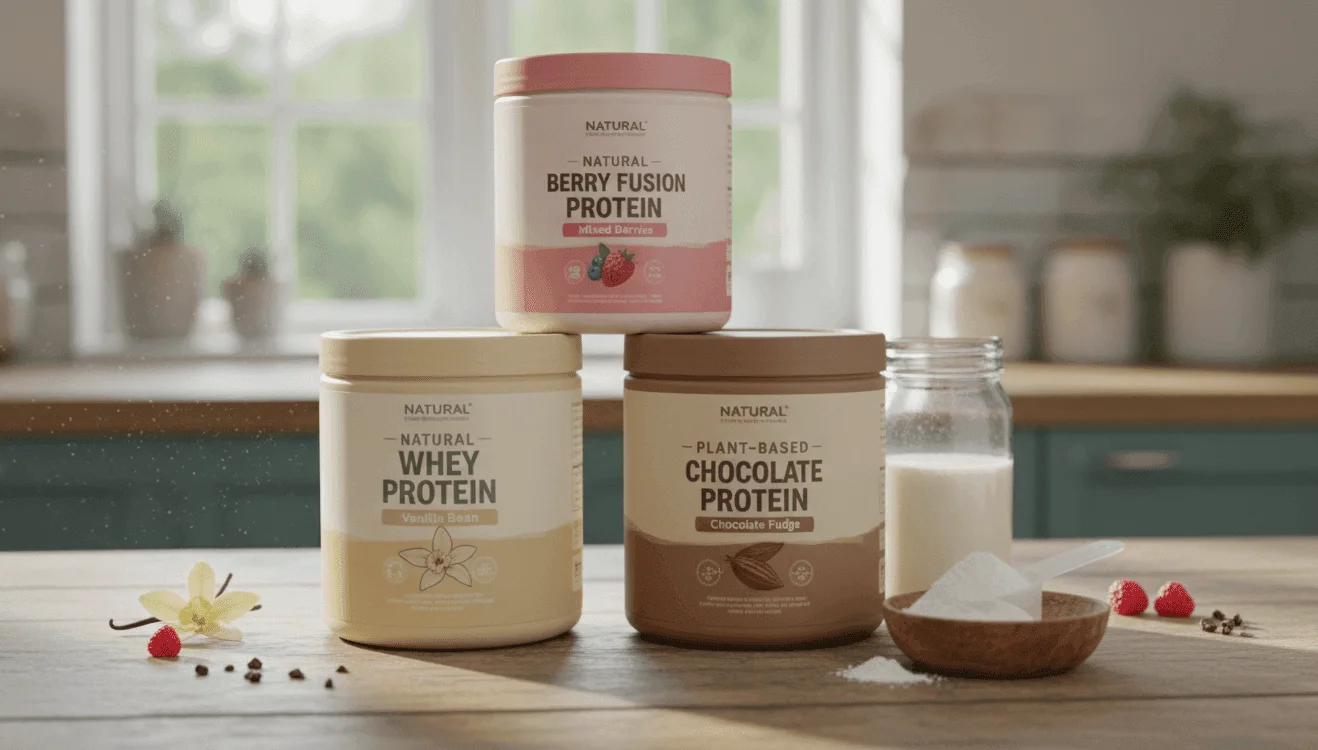
Whether you're an athlete, trying to lose weight, or just want to enrich your diet, protein supplements are a topic you can't avoid. There are many myths surrounding proteins, but one thing is certain - proteins are absolutely crucial for our body. This article will serve as a complete encyclopedia and shopping guide. You get everything in one place - from an overview of species to tips for selection to the correct dosage.
What are proteins and why are they so important?
Proteins, professionally called proteins, are one of the three basic macronutrients (together with carbohydrates and fats) and are absolutely indispensable for the human body. They are the basic building blocks of all cells and tissues, including muscles, bones, skin, tendons and ligaments. In addition, they participate in the proper functioning of the immune system, hormones and enzymes that control all chemical processes in the body.
Did you know that the word protein comes from the Greek word 'protos' which means 'first' or 'most important'? That sums up their meaning perfectly.
Protein food supplements are a practical and effective way to increase your daily protein intake. It has not been the case for a long time that they are intended only for bodybuilders. On the contrary, they can be used by anyone who is physically active, trying to lose weight, or simply wants to ensure a sufficient intake of this vital nutrient.
Why and when to reach for a protein supplement?
It is important to remember that a protein supplement is not a substitute for a varied and balanced diet, but a smart addition to it. So when is it worth including it?
- Convenience and speed: Preparing a protein drink takes barely a minute. It's an ideal quick snack after training or any time during the day when you don't have time for a full meal.
- Covering the increased need: During intense sports, during the period of gaining muscle mass or during a reduction diet, the need for protein increases. The plugin will help you easily cover this increased demand.
- Regeneration Support: Proteins supply the body with amino acids, which are key to repairing and restoring muscle fibers damaged by training. Fast-digestible protein thus starts regeneration processes after exercise.
- Aide in weight loss: Of all the macronutrients, proteins have the highest satiating effect. Thus, they help control hunger and cravings, which is crucial when trying to reduce weight. At the same time, it protects muscle mass from its breakdown.
Types of Proteins: A Big Overview
There is an abundance of protein on the market, varying in source, processing, absorption rate, and of course, price. Let's introduce the most important ones.
Whey Protein - The Gold Standard
Whey protein is the most common and popular type of protein. It is made from milk and is considered the gold standard due to its complete amino acid spectrum and rapid absorption.
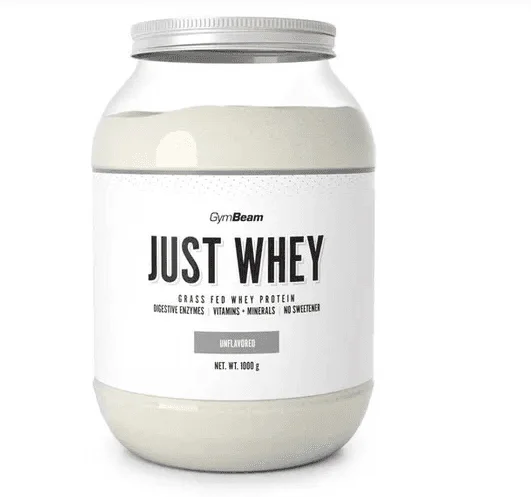
Whey Concentrate (WPC): This is the most common and affordable form. It contains approximately 70-80% protein, small amounts of lactose and fat. The excellent price/performance ratio makes it an ideal choice for most users, from recreational athletes to advanced ones.
Whey Isolate (WPI): It undergoes more advanced filtration, thanks to which it contains more than 90% protein and only a minimal amount of lactose and fat. It is suitable for athletes on a strict diet, people with lactose intolerance or for those looking for the purest possible source of protein. It is more quickly digestible, but also more expensive than WPC.
Whey hydrolyzate (WPH): This protein is enzymatically predigested into shorter peptides, which ensures the fastest possible absorption. It is intended primarily for professional athletes who need an immediate supply of amino acids. Its disadvantage is a higher price and often a slightly bitter taste.
Casein protein (Micellar Casein) - Night protein
Casein is the second protein component of milk, making up approximately 80% of its content. It's often nicknamed the "nighttime protein," and for good reason.
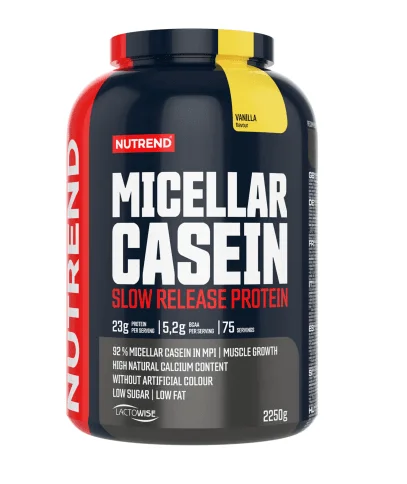
Who it's good for: Anyone looking for a slow-release protein source. It's ideal before bed or as a meal replacement when you know you won't be eating for a long time.
Properties: Its main advantage is that it creates a gel in the stomach, which is digested gradually, for up to 7 hours. This ensures a long-term and stable supply of amino acids to the muscles, perfectly saturates and protects muscle mass from breakdown (catabolism) during the night.
Plant-Based Protein
Plant proteins are a great alternative for vegans, vegetarians, people with milk protein allergies or those who want to diversify their diet.
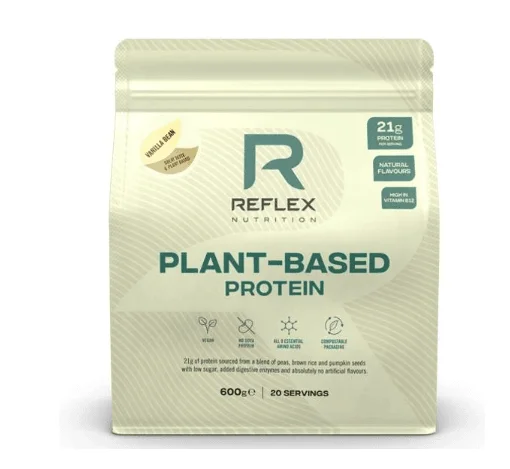
For whom they are suitable: For vegans, vegetarians and individuals with intolerance or allergy to dairy products.
For plant proteins, it is crucial to monitor the completeness of the amino acid spectrum.
- Soy protein: Its amino acid profile is most similar to whey protein and is considered a complete protein source.
- Pea and rice protein: These two types are often combined because their amino acid profiles complement each other perfectly and together form a complete spectrum.
- Multi-ingredient vegetable proteins: They are the best choice in this category. They combine several plant sources (e.g. peas, rice, hemp) to achieve an optimal amino acid profile, better taste and texture.
Other special proteins
Egg protein (Albumin): It is made from egg whites and has an excellent, highly usable amino acid profile. It's a great alternative for people with milk allergies, but it's less common on the market and usually more expensive.
Beef Protein: This alternative is especially popular among paleo dieters and people with allergies to milk and eggs. It is produced by hydrolysis of beef, so it is naturally free of lactose and milk protein. Its great advantage is the high content of collagen, and thus the amino acids glycine and proline, which are key for the health of joints, tendons, skin and hair. On the contrary, it has a lower content of leucine, a key amino acid for muscle growth, compared to whey protein. It can have a specific, slightly "meaty" taste and a foamier texture.
What to watch out for: Key parameters when choosing
In order to choose a truly high-quality product, it is not enough to be guided only by price or taste. Observe the following parameters.
This is the most important information on the label. It indicates how many grams of pure protein are found in 100 g of the product. A quality whey concentrate (WPC) should be at least 75% protein, while isolate (WPI) should be above 90%. Don't be fooled by the protein content in one serving, always look at the figure per 100g.
A simple rule applies here: the shorter and more comprehensible the composition, the better. Avoid products with a long list of unnecessary fillers, thickeners or high amounts of sugar. Also watch the type of sweeteners used (sucralose and steviol glycosides are common and safe) and colorings.
The highest quality whey proteins are processed using the CFM (Cross-Flow Microfiltration) method. This is a gentle cold filtration method that preserves the natural structure and biologically active protein fractions. If the manufacturer mentions this method, it is a sign of the highest quality.
Serious manufacturers list a detailed amino acid profile on the packaging. The high content of BCAAs (branched chain amino acids – leucine, isoleucine and valine), which should be around 5 grams per serving, is particularly important. Leucine is key to stimulating muscle growth. For plant proteins, the combination of multiple sources is essential to ensure a complete spectrum of all essential amino acids.
How to choose protein exactly according to your goal?
Everyone has a different goal. The choice of protein should also look like this.
Goal: Gaining muscle mass
The ideal choice is whey concentrate (WPC) or for more demanding isolate (WPI), which you take immediately after training for a quick replenishment of building materials. At night, you can include micellar casein, which will nourish your muscles while you sleep.
Goal: Losing weight and shaping the figure
Minimizing extra calorie intake is key when losing weight. Look for whey isolate (WPI), which contains minimal sugars and fats. Micellar casein also works great as a replacement for dinner or a snack, as it will keep you full for a long time and help prevent overeating in the evening.
Aim: Protein supplementation for vegans and allergy sufferers
The best choice is a high-quality multicomponent vegetable protein (for example, a combination of peas and rice), which provides a complete spectrum of essential amino acids. An alternative for those who can't eat dairy but are not vegan is egg or beef protein.
Correct use: Dosage and timing
Do you have a selection? Great. Now let's see how to use protein correctly for maximum effect.
The general recommendation for active individuals and athletes ranges from 1.6-2.2 grams of protein per kilogram of body weight. Your protein supplement should ideally make up 1-2 servings of this total daily intake, the rest should come from a varied diet (meat, eggs, dairy products, legumes).
- After training: Rapidly absorbable whey protein is ideal for quickly starting regeneration.
- Anytime during the day: As a quick and nutritious snack to replenish protein and ward off hunger.
- Before bed: To supply the muscles with nutrients during the night, the best choice is the slowly digestible micellar casein.
Important fact: While timing is beneficial, the most important thing is to meet your total daily protein intake. If you can do that, you've mostly won.
Summary and final tip
Protein is a key helper for achieving your sports and health goals. For most people, the ideal choice is a quality whey concentrate (WPC), ideally processed using the gentle CFM method. If you are dealing with lactose intolerance, are on a strict diet or want maximum quality, reach for whey isolate (WPI). For vegans and allergy sufferers, the best choice is multicomponent plant proteins, which ensure a complete amino acid profile. When making the final selection, always be guided by the percentage of protein content and the simplest possible composition.
💬 Frequently asked questions and answers (FAQ)
Don't proteins burden the kidneys?
This is one of the most common myths. In healthy individuals with normal kidney function, no negative effects were demonstrated even with a long-term higher protein intake. Caution is warranted only in people who already have existing kidney disease. For a healthy person who follows a drinking regime, the recommended protein intake does not pose any risk.
Will I gain muscle uncontrollably after protein?
Definitely not. This concern is especially common among women. Protein is only a building block for muscles. Muscle mass growth (hypertrophy) occurs only in combination with targeted strength training and sufficient caloric intake. Drinking protein alone without adequate exercise does not lead to massive muscle growth. On the contrary, it can help maintain muscle mass during weight loss.
What is the difference between a protein and a gainer?
The basic difference is in composition and purpose. Protein is primarily a concentrated protein source with a minimum of carbohydrates and fats, intended for the regeneration and protection of muscle mass. Gainer, on the other hand, is a high-calorie mixture that, in addition to proteins, mainly contains a large proportion of carbohydrates. It aims to increase total caloric intake and help with overall body weight gain, which is suitable for people who have difficulty gaining weight.
Kategorie:

Similar Articles
Do you know the difference between vitamin D2 and D3?
26/06/2026
Kefir vs. acidophilus milk: The big guide to probiotics, selection and health
19/06/2026

Blow Dryers: The Complete Guide to Healthy Hair and Styling
10/06/2026

Amino Acids That Drive Performance - How They Work and Why They Matter
08/05/2026
What Creatine Does to Your Body - Facts Every Athlete Should Know
04/05/2026
Recommended Retailers






Popular Brands